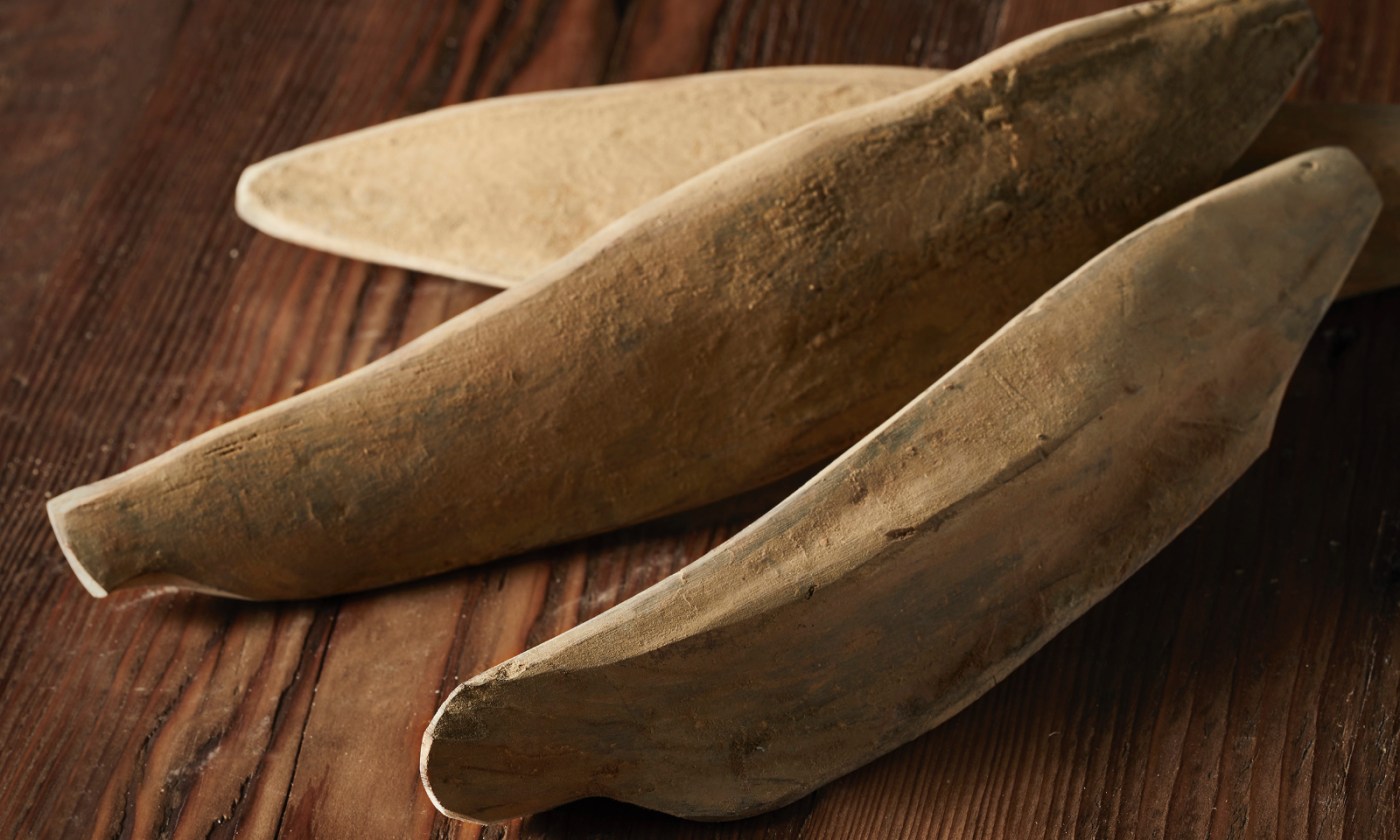
BONITO FLAKES
Popularly known as bonito flakes, Katsuobushi in its literally translates to “a chunk of dried fish”. In simple terms it is a dried, smoked and fermented form of fish which is a base for many Japanese dishes.
Sea being one of the natural habitats of fishes, it makes them naturally rich in salt. This is also known as “mono sodium glutamate “. This contributes to the umaminess which we all love.
Katsuobushi is a solid rock hard form of the smoked, dried and fermented fish which upon being shaved makes up bonito flakes. Bonito is commonly used to make “dashi だし” which means stock, the stock is made up of bonito flakes and kelp (a type of seaweed) which then becomes a flavorful base which can be used in various places. Bonito flakes can also be used as a topping or eaten with gohan (rice).European chefs today have started making bonito flavored compound butter.
In Japanese culture it is very common for people to give gifts whenever they visit each other. Usually it is something edible known as “omiyage お土産” and Katsuobushi is one such common omiyage.
Bonito VS Skipjack Tuna
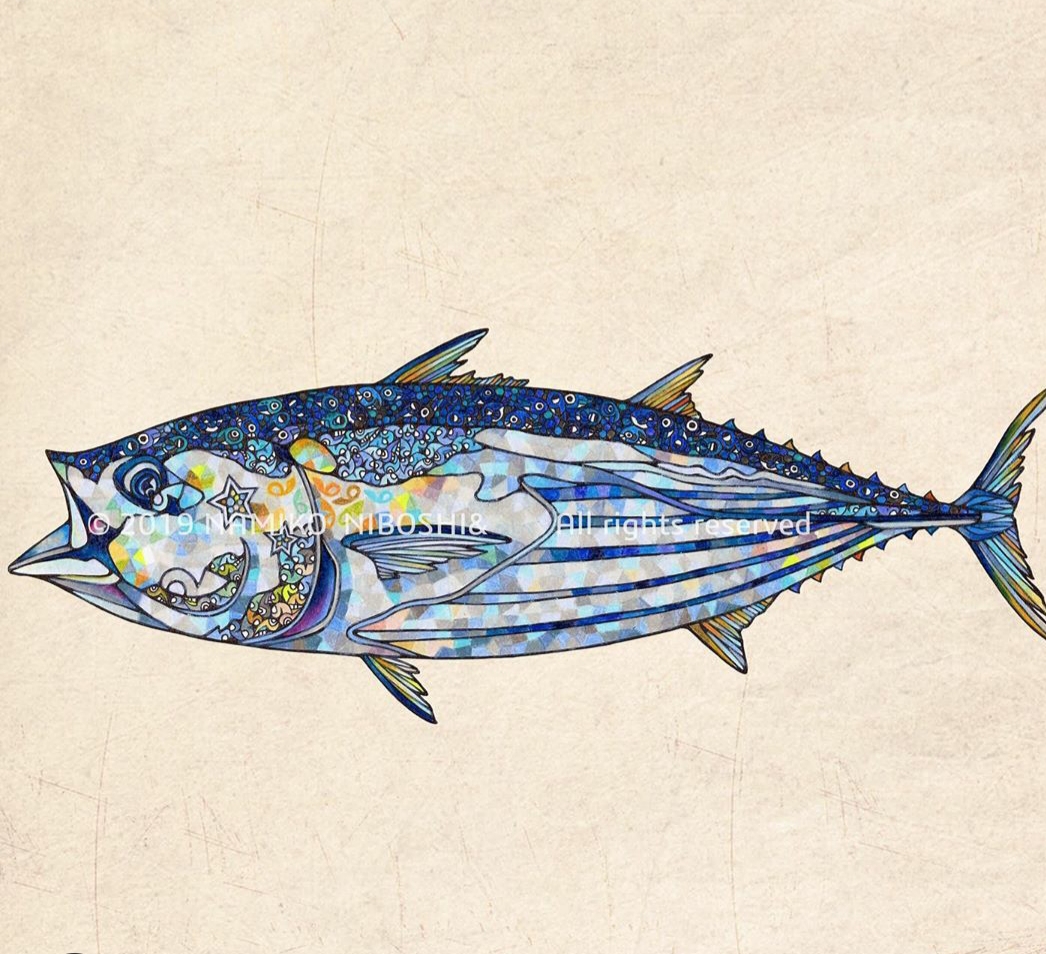
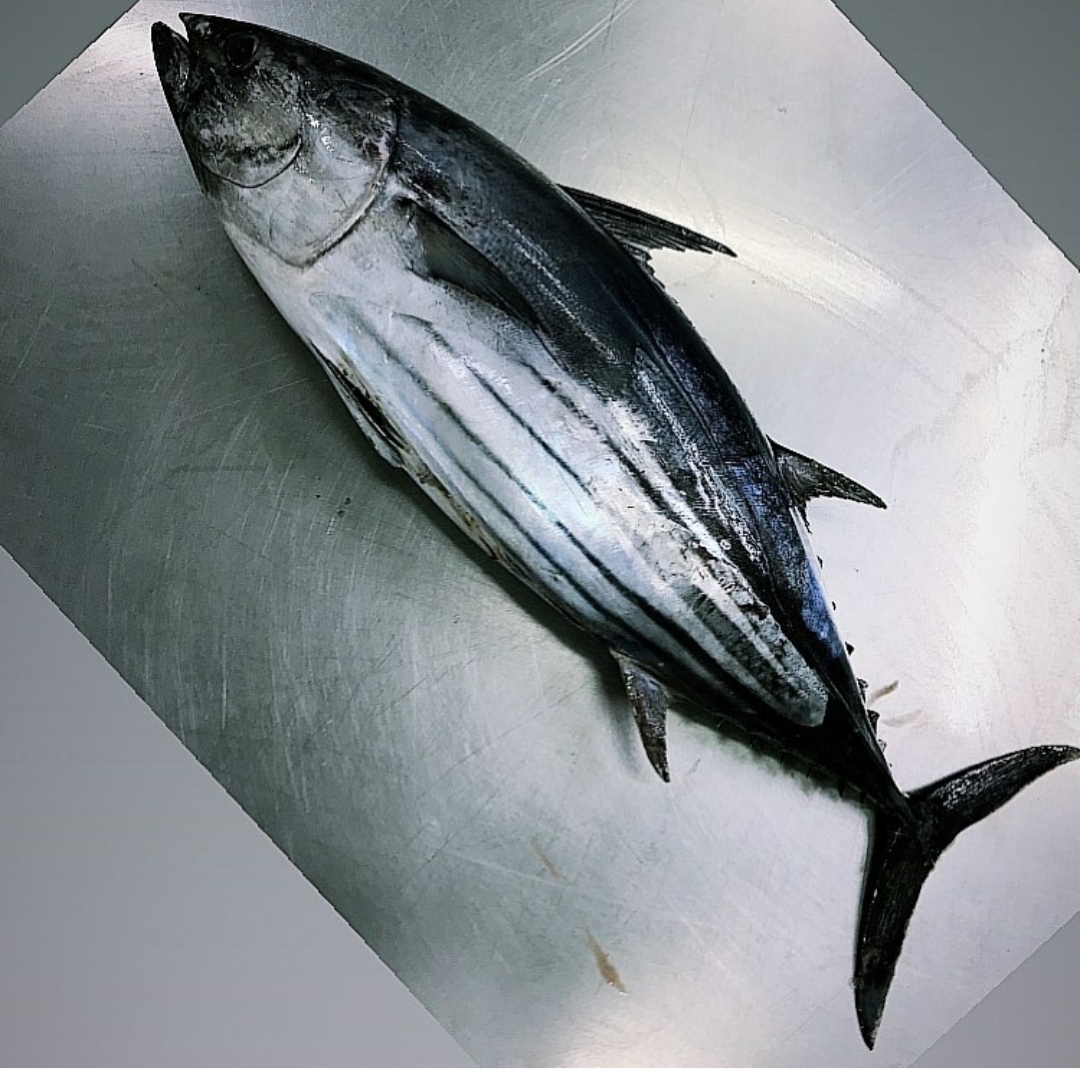
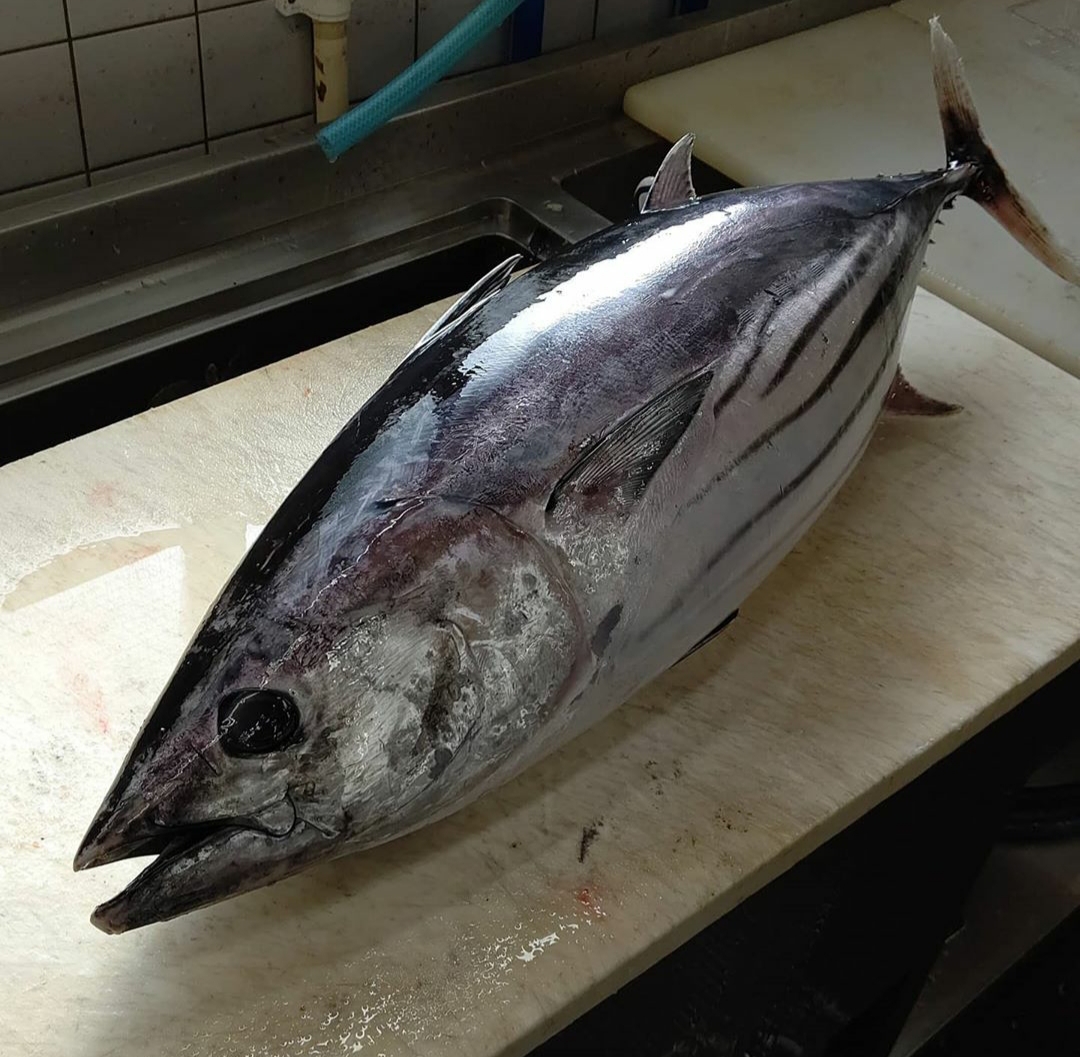
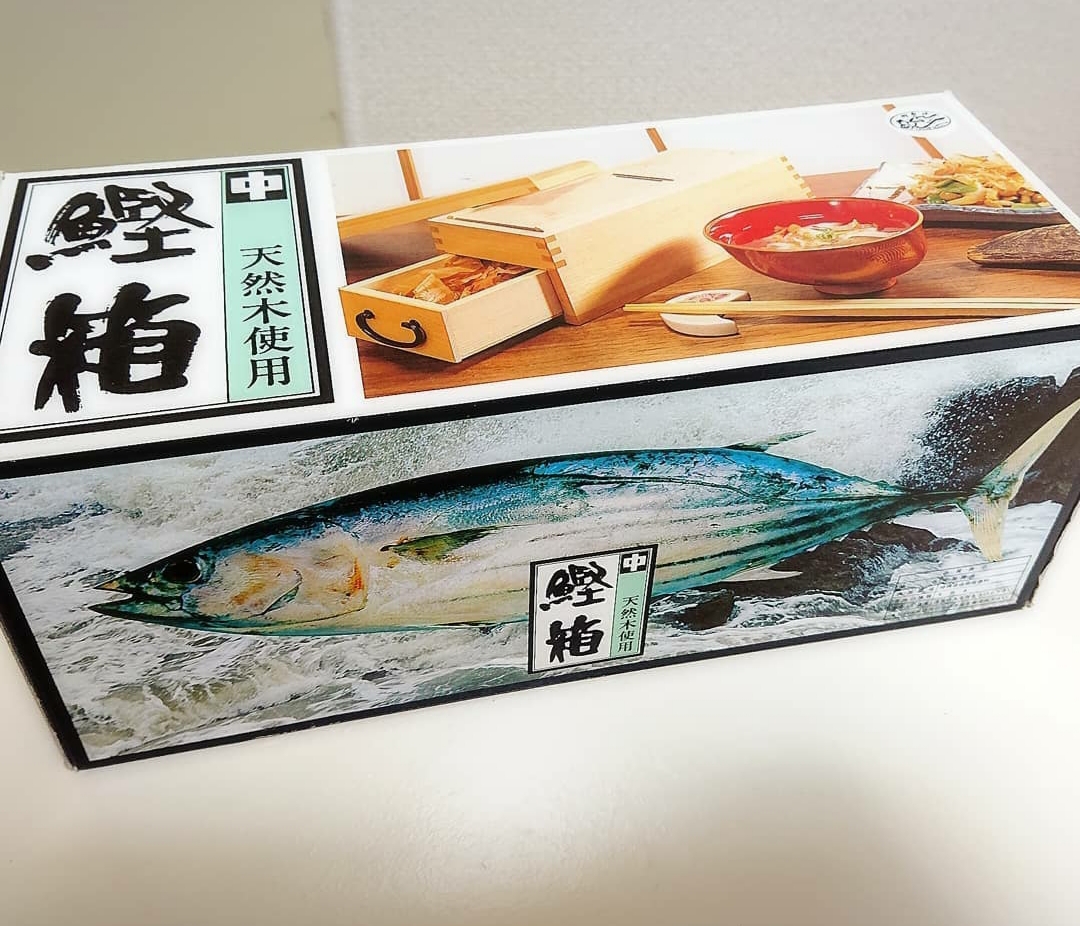
There is always an ongoing debate on which fish is used to make Katsuobushi, some say it is made with skipjack tuna while others say bonito.
The truth is that it is made with both the fishes. Skipjack tuna and bonito are two different fishes with very similar characteristics and also they belong to the same family. So both of them can be used, although in Japan skipjack tuna is considered to be the more superior fish variety .
Why only tuna?
First and foremost skipjack is a type of tuna while bonito belongs to the tuna family but it is not exactly tuna. Tuna in general is a moderate to fast swimming fish as a result it does not store much fat in the initial stages or in other words when it is young. This is the stage desired for making Katsuobushi.
Fat or omega 3 fatty acids in case of fish is unsaturated in nature and unsaturated fats are more prone to getting rancid and spoiling quicker, compared to saturated fats because of their chemical structure.
This is the reason why you will not find any fatty fishes being aged. Hence, it is for this reason that this specific type of tuna is best for the production of Katsuobushi .
The production process
- INITIAL PROCESSING : The first step is to clean the fish and gut it which is then processed into fillets. The belly part of the fish is then discarded as it is high in fat and would end up affecting the final product .
- BOILING : In this stage the fillets of the fish are then boiled or steamed, cooking the fish completely. This is done in order to kill any existing bacteria and it also makes the extraction of bones from the fish easier. The fillets are then cooled and the bones are extracted by hand making it a labor intensive job which is one of the main reasons that makes it an expensive commodity.
- SMOKING : The next step is one of the most important part which gives the product a great aroma and flavor. Smoking itself is a vast topic but here we will be talking a bit about the basic points required for any smoked product.
- The first is the selection of wood used. Never use soft or resinous wood as they burn into flames and also create a sticky surface on the product. What you need is the smoke and not the fire so use hard woods. Oak wood is usually preferred for Katsuobushi.
- Smoking is not only responsible for the unique flavor but also gives food its preservative qualities. There is presence of various PHENOLIC compounds which contribute to the preservative qualities of smoke.
- The characteristic smokey flavor is given by LIGNIN which is a compound in the wood and when it burns it gets broken down by oxygen and sticks to the surface of product giving it the flavor which we all love.
- Katsuobushi is smoked multiple times ensuring even smoking of the product and also to inhibit the flavor and to keep it well preserved. After being smoked for about 12 to 15 times the black layer that is formed on top of the fillet is removed and it moves on to the next stage .
- FERMENTATION: This step involves spraying of the mold called “aspergillus glaucus ” which acts as a culture and helps in the process of fermentation. This stage can also be done naturally from the bacteria present in our environment but it takes a lot of time and there is uncertainty as to how the final product will turn out. Fermentation also helps to expel out the remaining moisture in the product. The fillets are then put in temperature regulated rooms which gives it a suitable environment for the fermentation to take place. They are left in these rooms for about two weeks.
- DRYING: This is the final step which involves placing of the fillets in the sun which further dries the product. The final product after drying has very less water content, around 20 percent. During this stage the mold is scraped off continuously. Also placing it in sunlight ensures that there is no growth of any harmful bacteria.
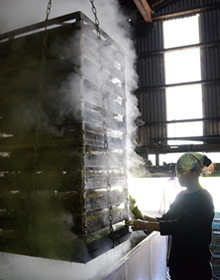
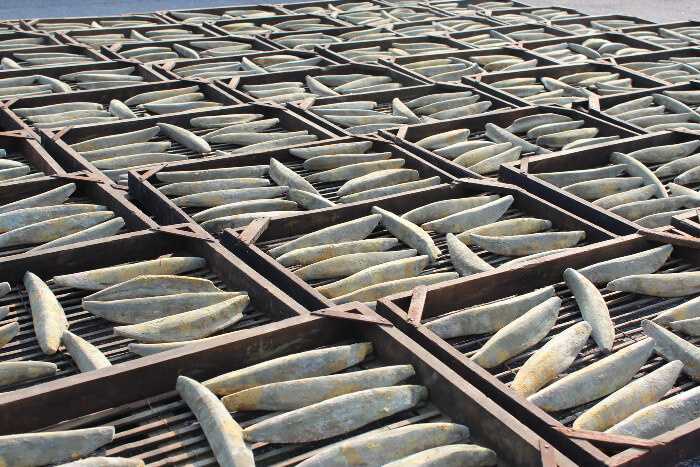
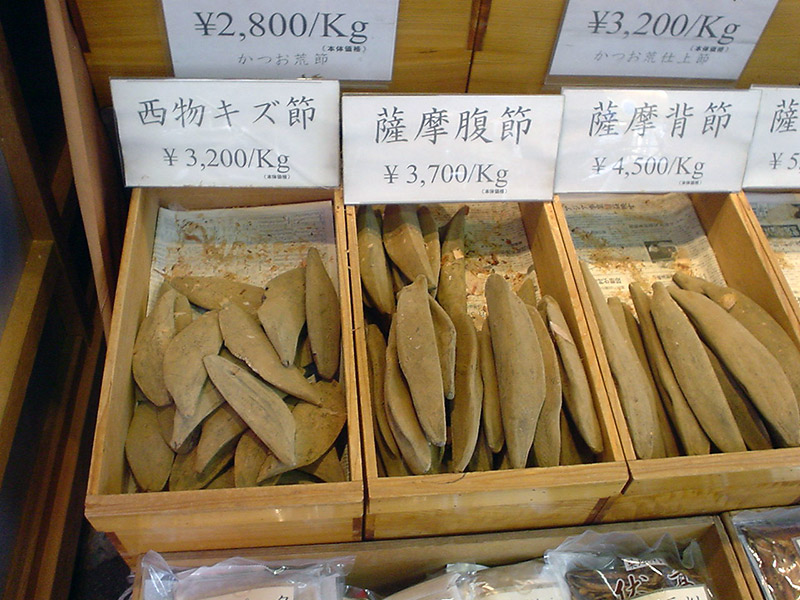
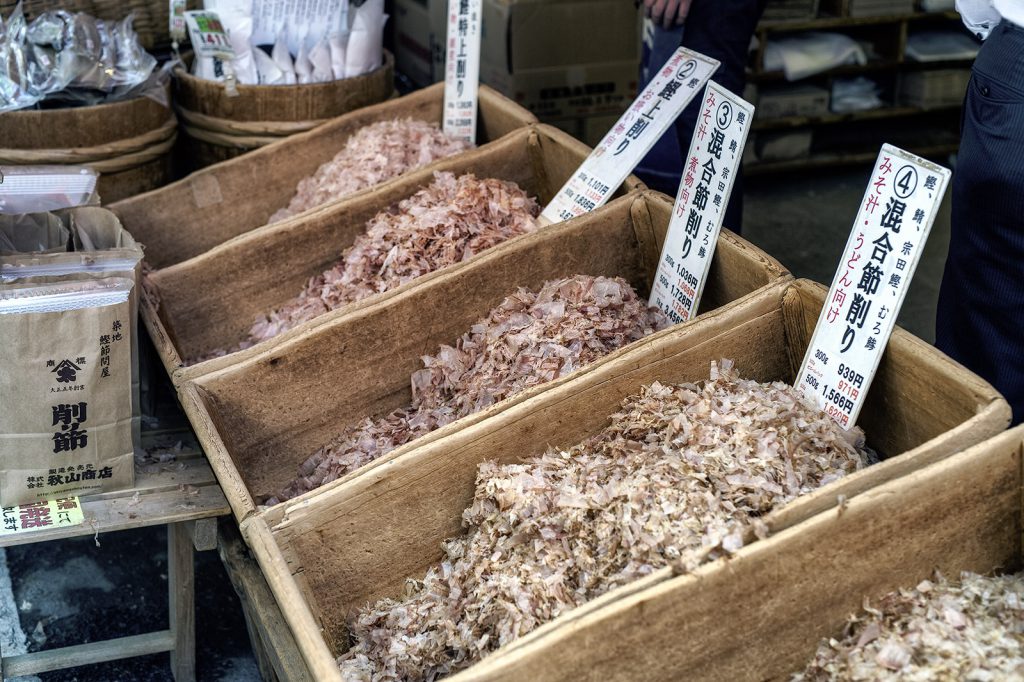
Bonito flakes
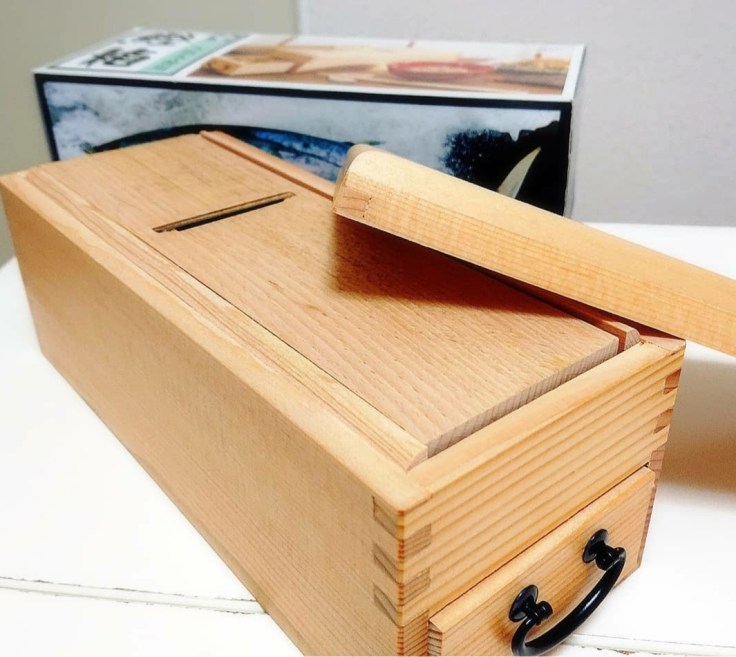
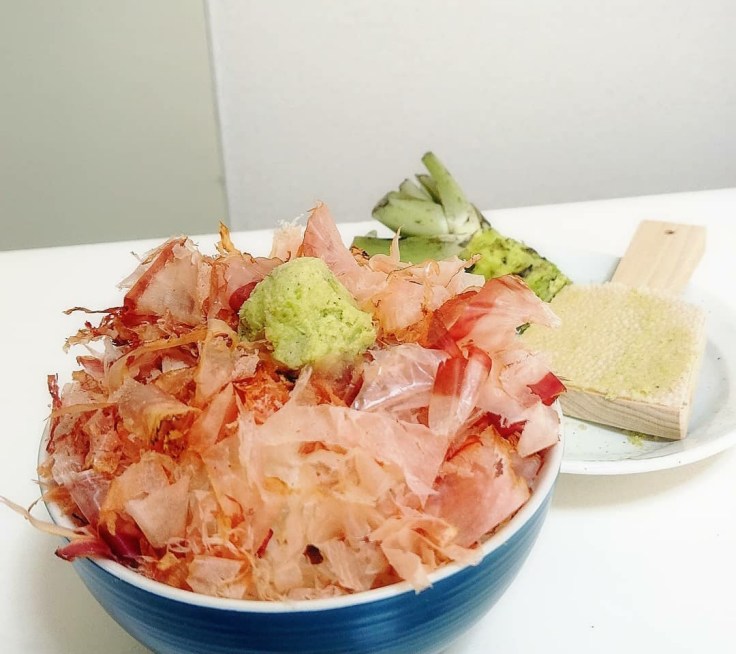
The product can be sold as a whole dried fillet which is preferred by most people and is then shaved in their kitchens as per use using a Katsuobushi shaver called “Katsuobushi kezuriki かつおぶしけずりき”.
On the other hand it is also available as pre-shaved flakes or bonito flakes. Which is preferred by most home cooks and for those who do not have a kezuriki.
Personally if you can get your hands on a kezuriki then nothing like it. I feel that it gives the best and fresh flavor to the dish.
Where to use them?
One major use of Katsuobushi is in the process of making dashi (it is the base stock of many dishes in Japan).
It is also used as a topping for rice, or added on top of silken tofu along with spring onions and shoyu.
It is also served on dishes like Zaru soba*, Ramen, Takoyaki and Okonomiyaki.
My favourite is when it is stuffed in Onigiri. The flakes along with little shoyu is stuffed inside rice balls and wrapped with nori are a quick, yummy and a filling snack during a busy day.
I hope this helped you learn a bit more on Katsuobushi.
*If there are few dishes that you are not aware of do not worry. Will be covered in the blogs to come.
Feel free to share your thoughts on this blog and give suggestions and topics for upcoming blogs.
SOURCES: The Cook’s Book Of Ingredients – Dorling Kindersley
 A Long たまご....
Leave a comment