FISH CAKE
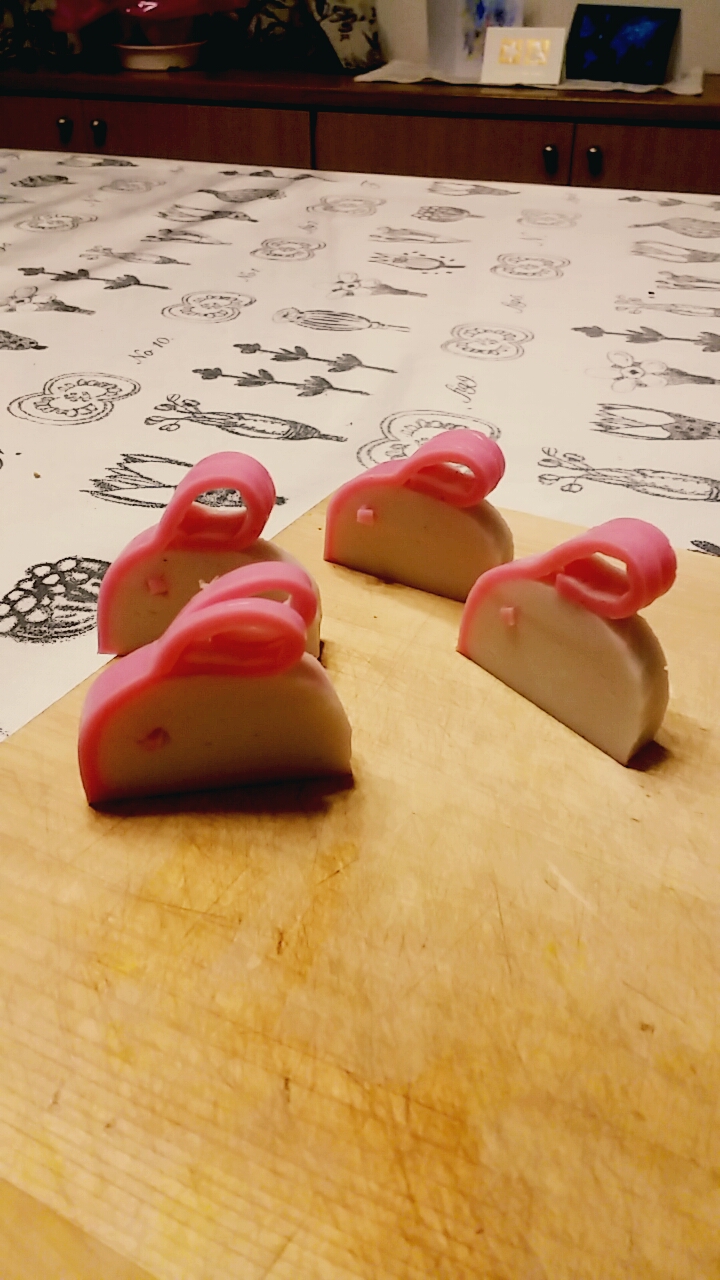
I am so excited to talk about this ingredient. The first time I came across kamaboko was when I had my first bowl of ramen. There was this cute looking pink and white swirl topping in it and it looked very familiar, that is when I realized I had seen it as an emoji. When I asked about it they said that it was made with fish mince and there are various types of it. Although I am not a big fan of fish cakes this ingredient was perfect for creating artworks (like the one in the picture above where I made a rabbit using the fish cake).
Thus began my journey with kamaboko. A fun (fishy) ingredient is used in various dishes and comes in various forms, which we will be going through in more detail. These are cute for kids bento (lunch) boxes and healthy too.
What is Kamaboko?
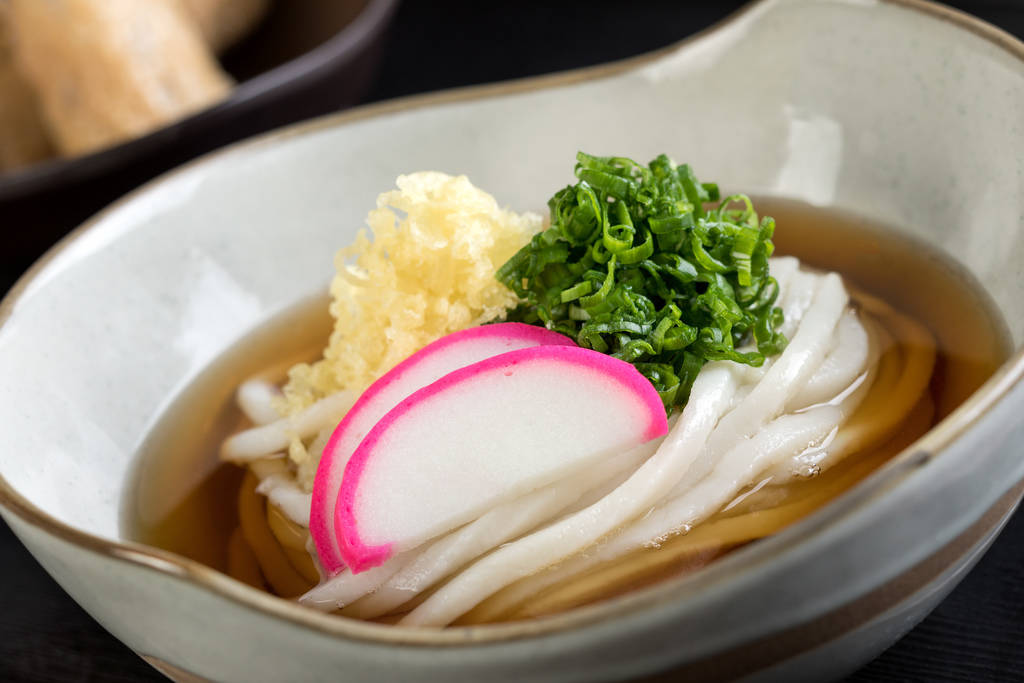
Kamaboko is a Japanese fish cake made with minced white fish usually, which is called surimi in Japanese (scroll down to read more about surimi). It can come in various forms and can also be cooked in various methods. It is usually flavored with salt, sugar, Japanese sake (an alcoholic drink made from fermented rice), egg whites, and fish sauce.
Industrially when it’s made it uses a different form of proteins to bind the meat together such as egg, soy protein, or TGM (Transglutaminase, which is an enzyme also known as meat glue). But egg whites also perfectly work for binding if you are making it at home. Whitefish is usually preferred for making kamaboko as most of the white fishes are less intense in flavor. Also, kamaboko is usually white, and sometimes in the case of red kamaboko color is added hence white fishes are again preferable for plain color.
Surimi
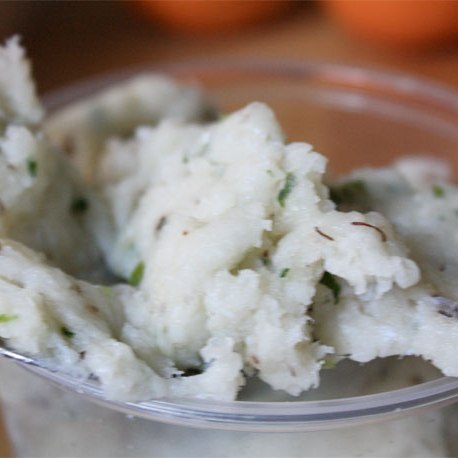
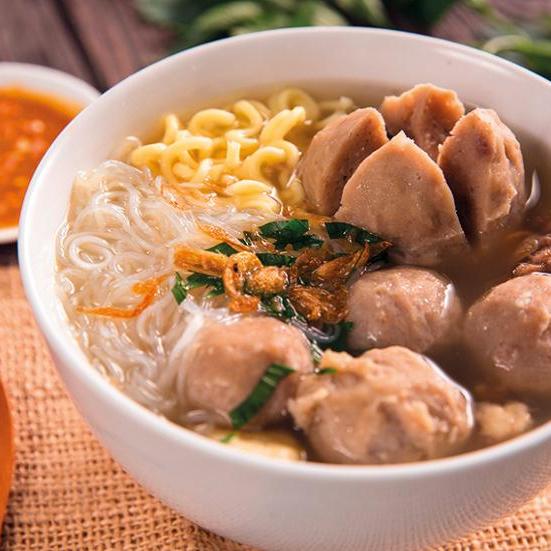
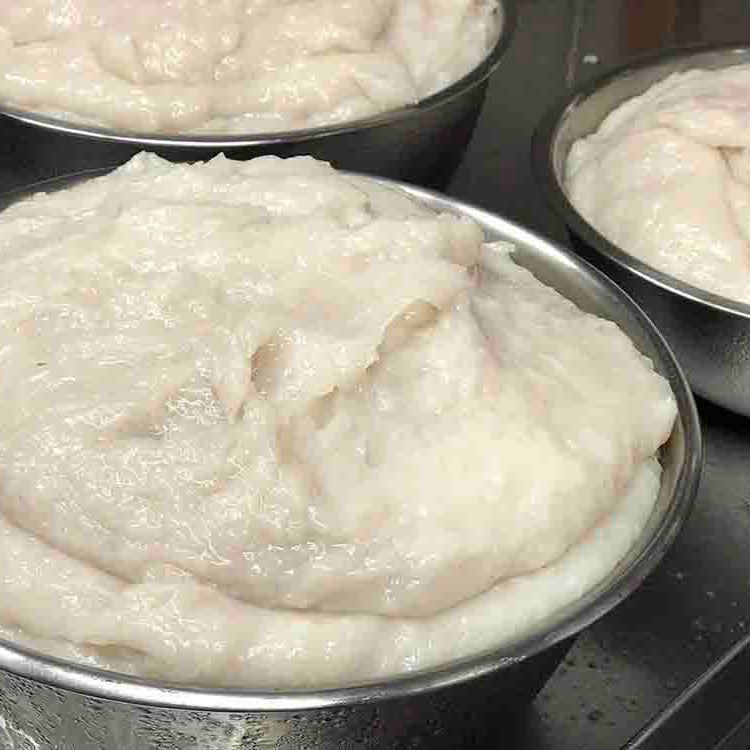
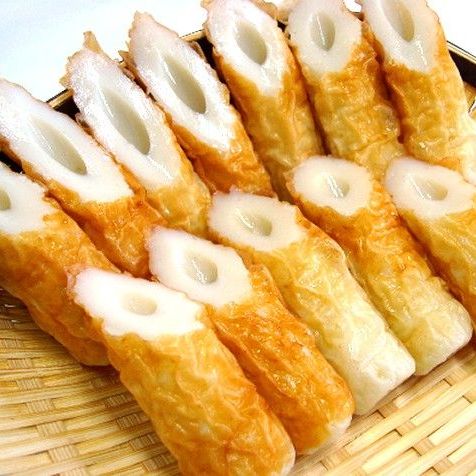
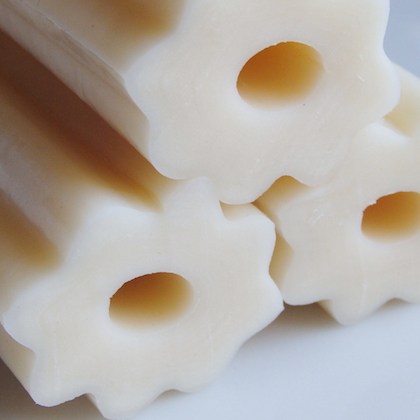

Surimi is Japanese for ground meat. It can be any type of meat ranging from fish, crab to chicken, pork. It commonly goes by the name imitation seafood (but it is seafood imitating another seafood). It is called imitation seafood because although it is made with fish it is used to replace shellfish in a lot of places. Japanese surimi popularly uses seafood but other meats are popular in other countries. For example, pork surimi is popular in China and is added to soups and dumplings.
Coming back to surimi in Japan which mainly focuses on white fish and seafood meat considering Japan being an island nation. Fish has always been food in abundance in Japan and the Japanese people were always trying out various methods to preserve them. This was one of the reasons that gave rise to kamaboko.
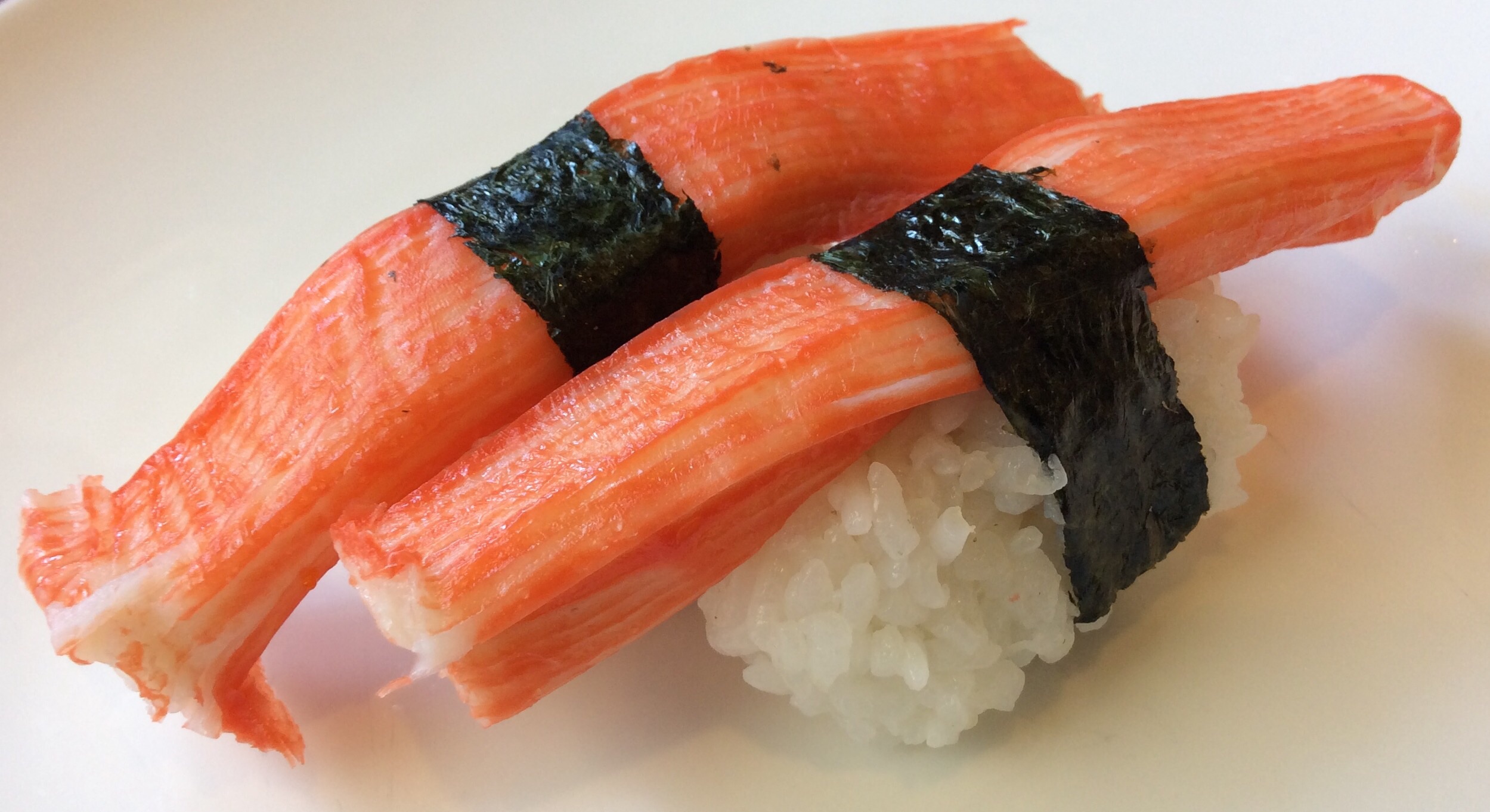
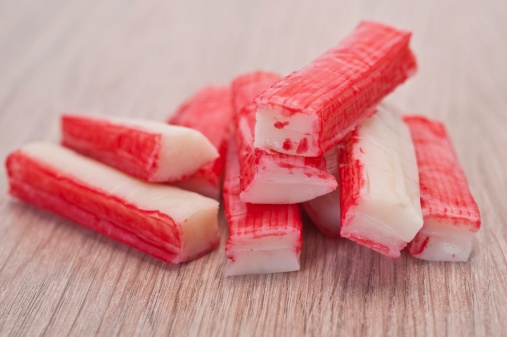
A good quality surimi is usually odorless and creamy white in color in the case of seafood. It is easy to mold it into various shapes. Surimi has a flavor profile very similar to many kinds of seafood. Hence can be substituted in the place of shellfish. Shellfish flavors are also sometimes added to imitate shellfish products like imitation crab (which is not shellfish and is made from white fish). This imitation crab is popularly known as crab sticks and most of the people assume it has crab meat whereas, in reality it is fish surimi shaped like a crab stick.
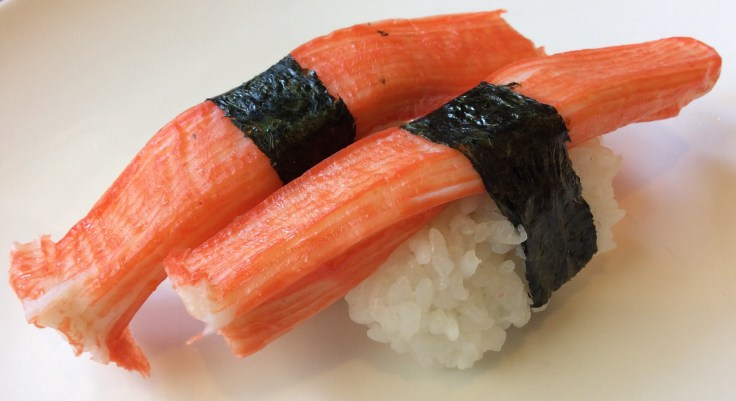
Most of the time you do not even realize when you end up having them. As they are used in a lot of places replacing fish and shellfish. Next time you go to a sushi bar order kani sushi almost most of the time you end up getting crab stick. When it comes to Japanese seafood surimi there are 4 cooking methods involved (Refer to types of kamaboko for more about each variety).
GRILLED SURIMI
STEAMED SURIMI
DEEP FRIED SURIMI
BOILED SURIMI
Origin of Kamaboko
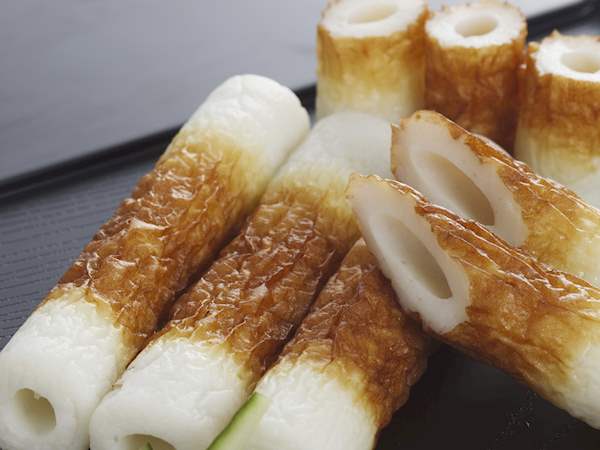
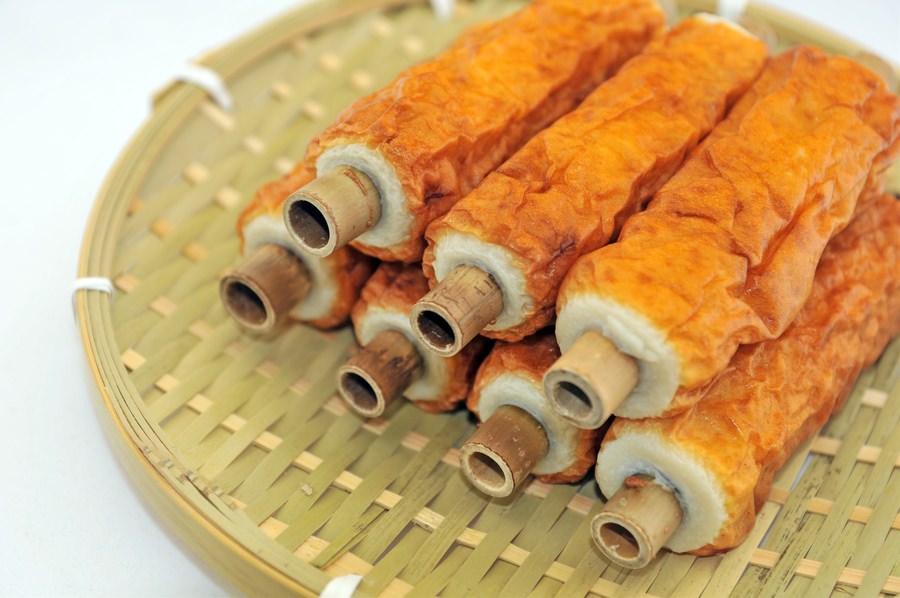
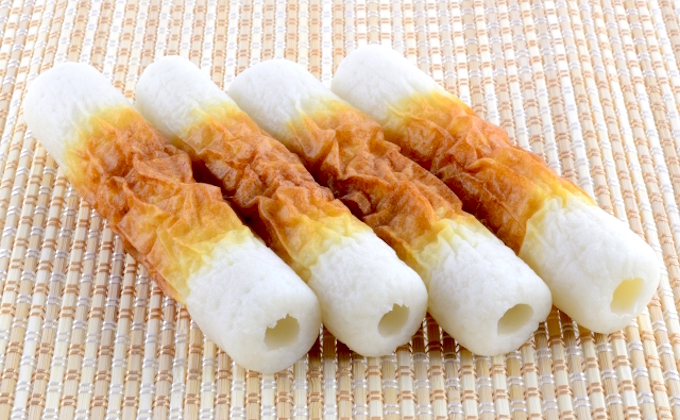
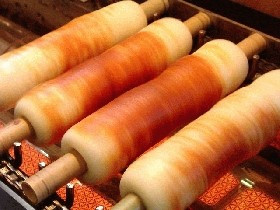
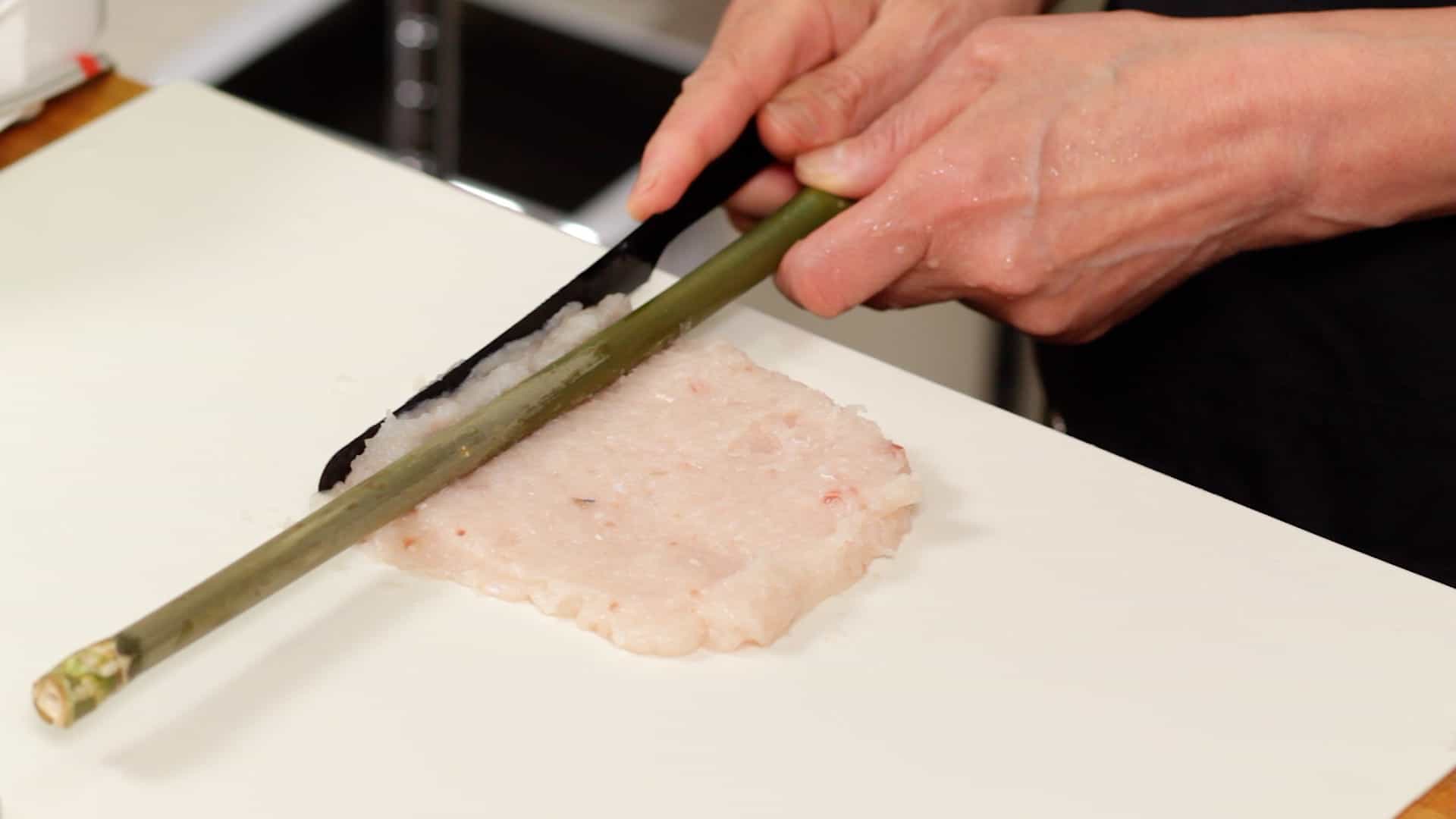
In the beginning, kamaboko was just ground fish meat that was molded onto a bamboo stick before cooking. The procured product after cooking resembled both the head of a cattail plant (Gama in Japanese) and a sword (Hoko in Japanese). Hence the name kabahoko, which later evolved to what we know today as kamaboko.
It was mainly created as a method of preserving fish as Japan has an abundance of seafood. As time passed by more shapes and versions were made and they were also called kamaboko. The original version is now referred to as chikuwa, which means bamboo ring (Refer to types of kamaboko for more about chikuwa).
Types of Kamaboko
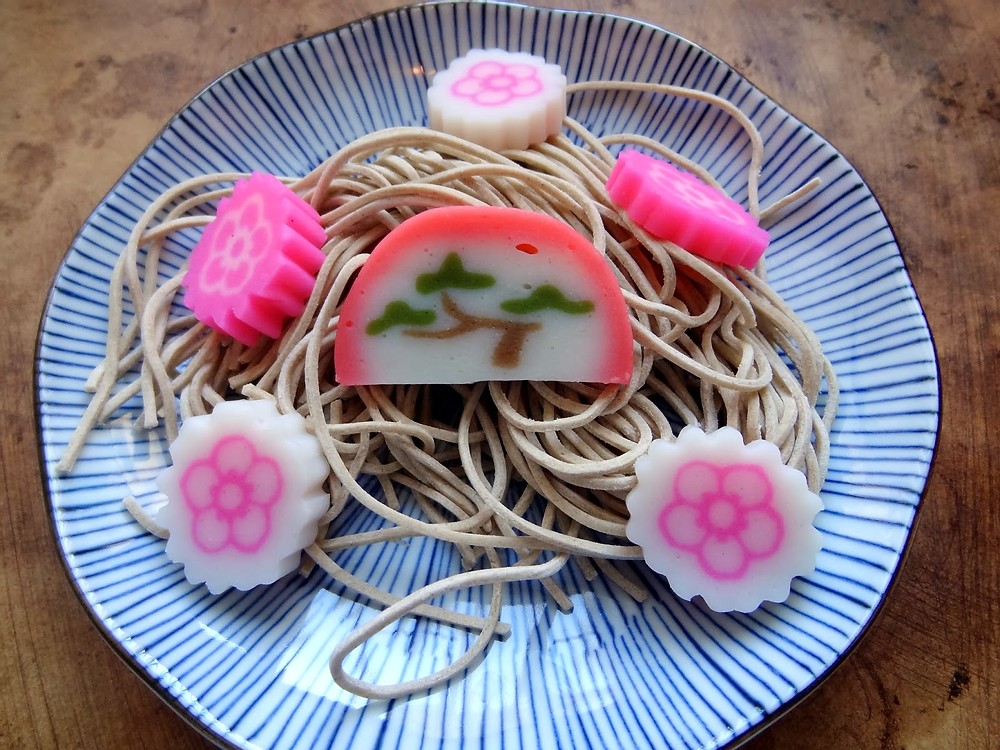
RED AND WHITE KAMABOKO
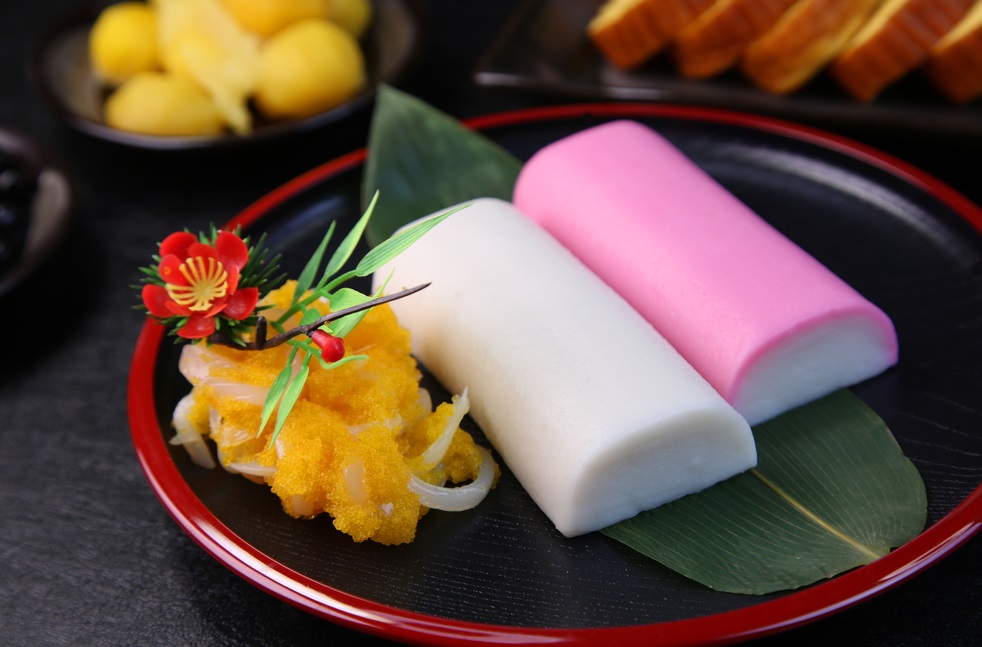
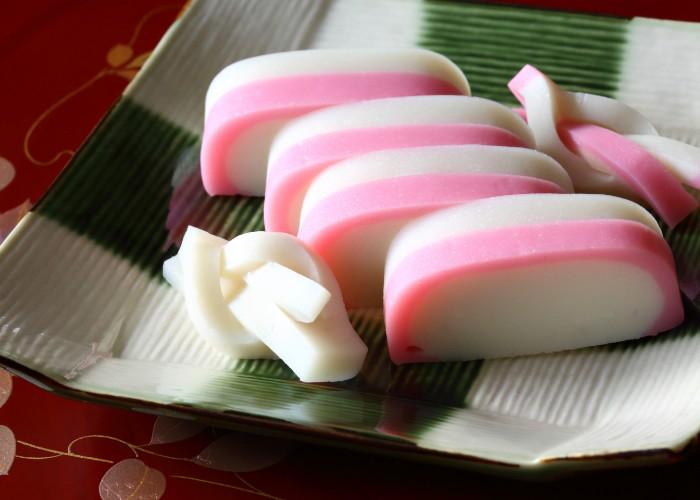
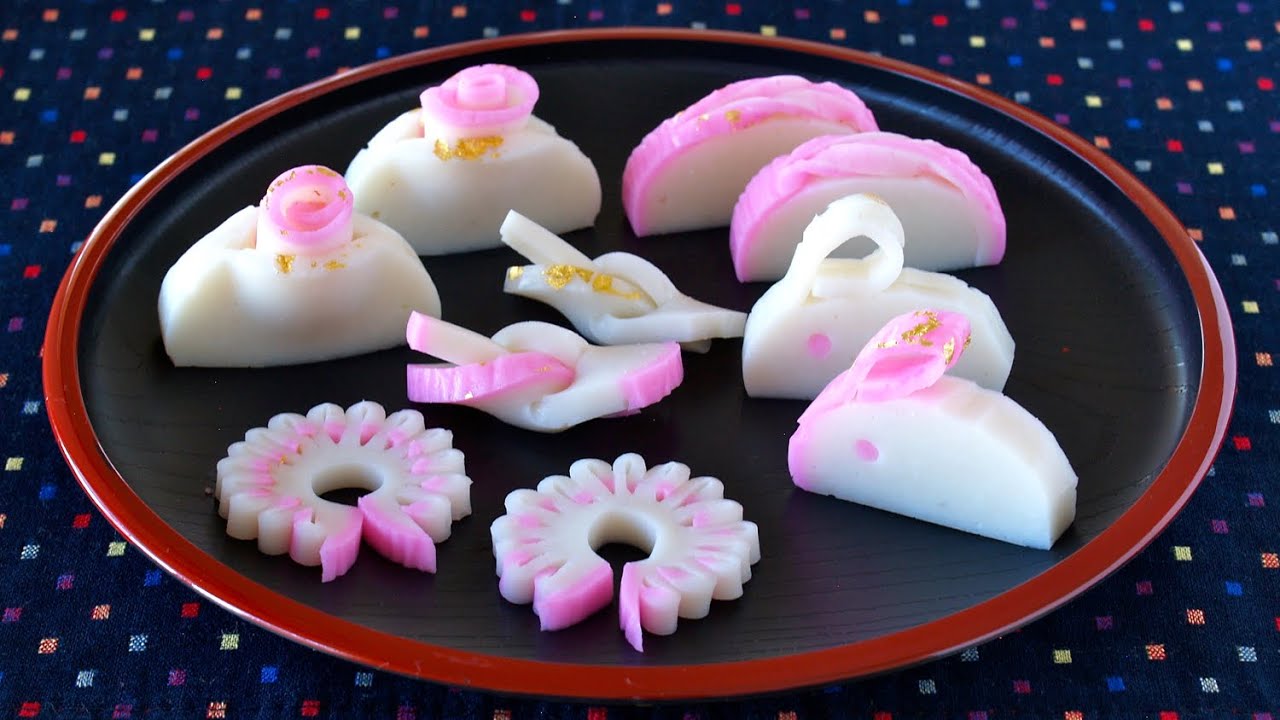
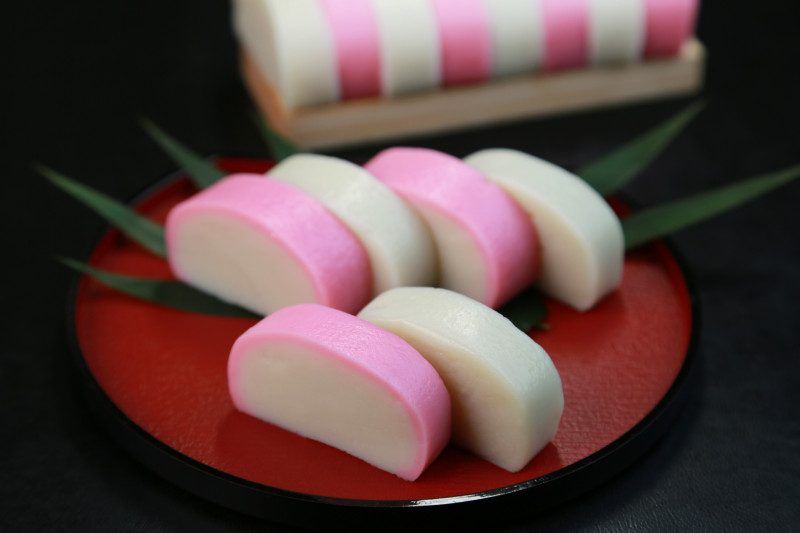
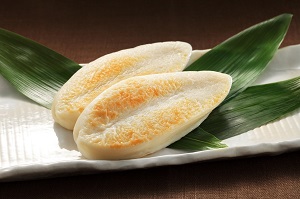
This is the most commonly found kamaboko variety and the best for art experiments. Both red and white kamaboko are made from ground white fish meat. In the case of the red kamaboko, color is added to a part of the mixture and wrapped around the white log and steamed creating a red cover around the final product. Also although it is named red or aka kamaboko the color is more pink than red.
NARUTOMAKI
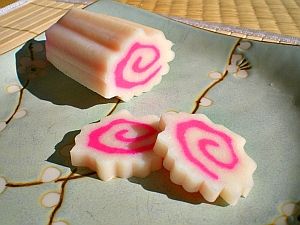
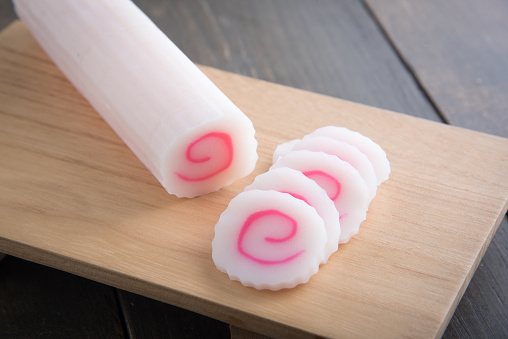
Remember when I mentioned how I first had kamaboko in ramen, which had this white and pink swirl. Well, this is known as narutomaki or naruto kamaboko. These are made from white fish surimi with a pink swirl in the middle and rugged edges. The cooking method for this kamaboko is usually boiling. Popularly used in ramen bowls, there is also an emoji made after this kamaboko.
This fish cake is closely related to the famous Japanese anime character Naruto Uzumaki. The fish cakes were named and made after the famous whirlpools formed in the Japanese city of Naruto. Hence the pink spiral after the whirlpools but how is it connected to the anime character? For those of you who are not familiar with the character, he has a very strong, messy, and crazy behavior and his love for ramen. So this character’s name is after a component in his favorite food and the spiral indicating his character resembling the whirlpool.
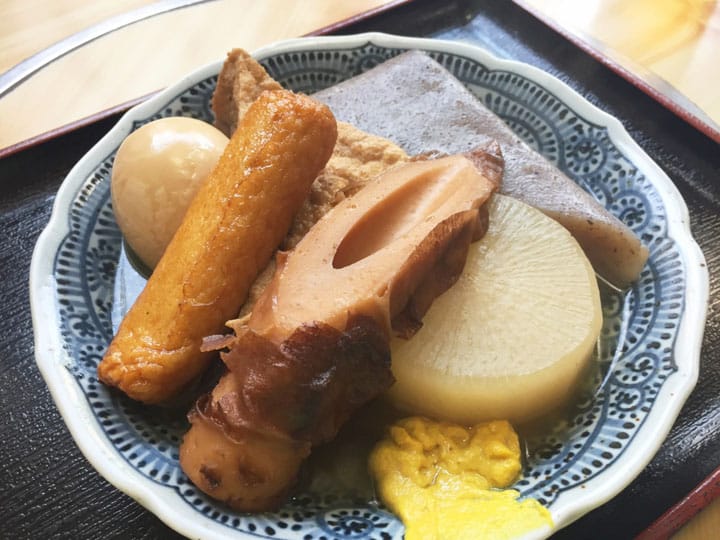
CHIKUWA
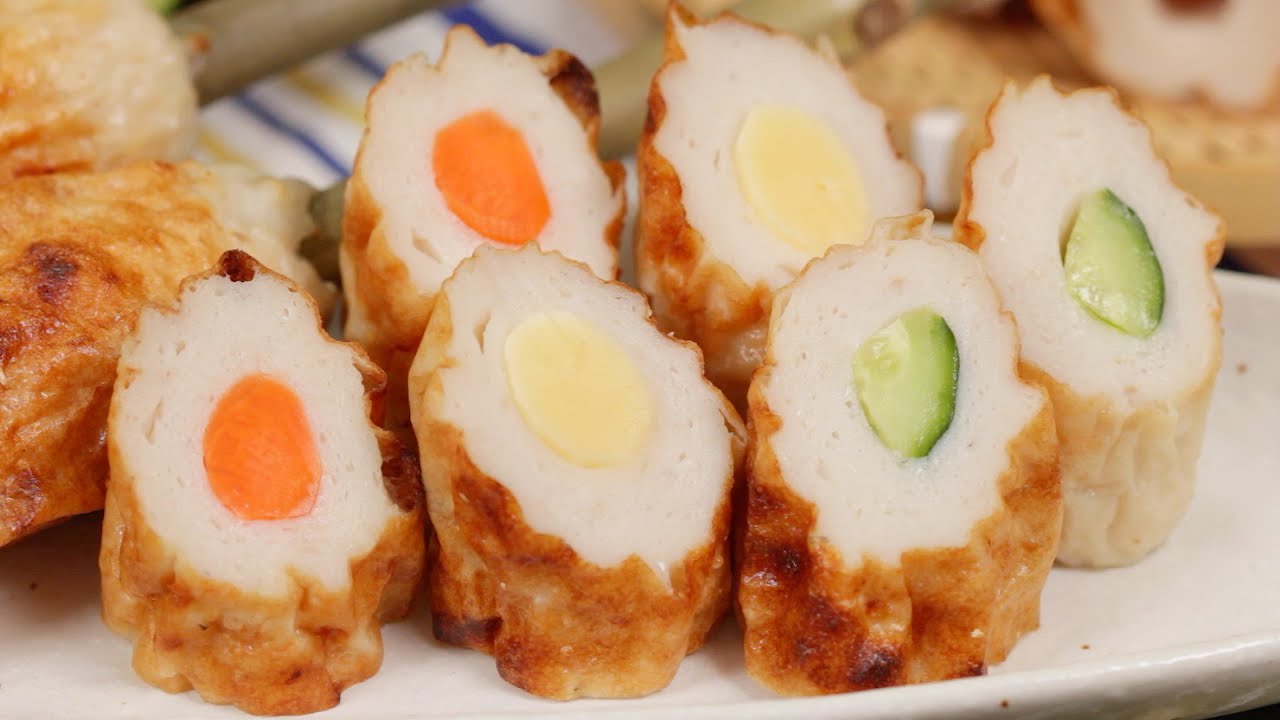
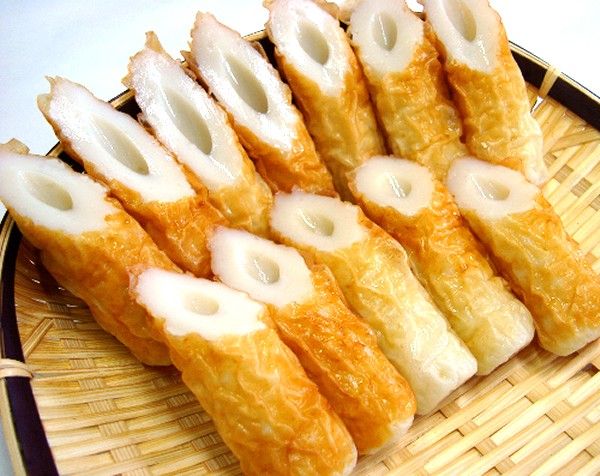
This is the original version of kamaboko, which we spoke about in the history section. This is traditional grilled surimi shaped like bamboo. this was known as the original kamaboko then later on as various varieties came kamaboko became a common name and chikuwa is the name given to this version. Chikuwa translates to the bamboo ring as this kamaboko is usually sliced at an angle and is hollow in the middle resembling a bamboo stick. It has a nice smoky flavor added to it due to the grilling which makes it taste and look more interesting.
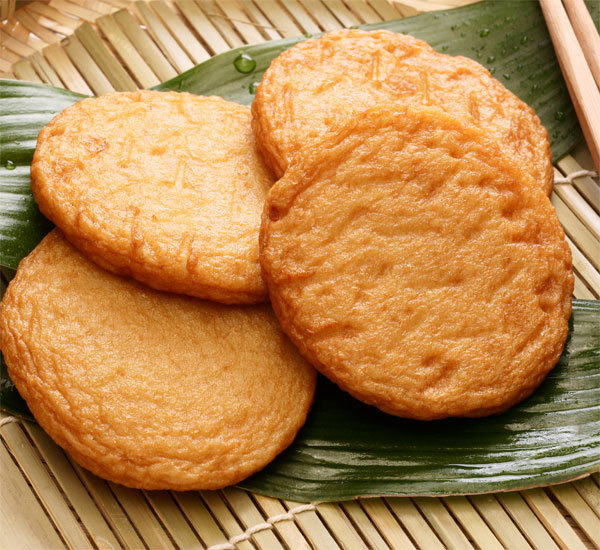
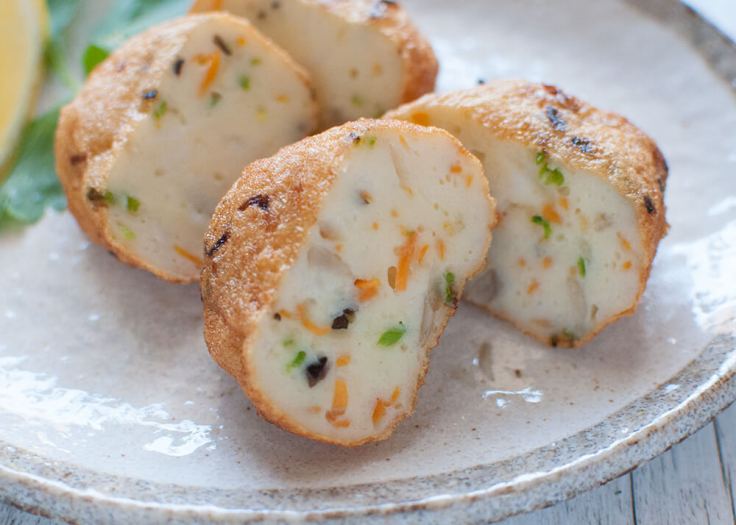
SATSUMA AGE
Who does not enjoy deep-fried food? This kamaboko is a deep-fried version, usually coated in flour and fried. Some versions even have vegetables added to them. They go by various names in different regions like chikiagi (the original name given to fried kamaboko), hanpen (A triangular-shaped kamaboko, although not all hanpen is fried), even tempura (a form of tempura). The final product after frying has a brown skin outside and a white center. They also have various varieties under satsuma age based on the shape and the ingredient used or added to it before frying. It is usually had with soy sauce, wasabi, or mustard and can either be had as a separate dish or used in dishes like oden (A one-pot dish will be sharing a post on it soon) and stir-fries.
HANPEN
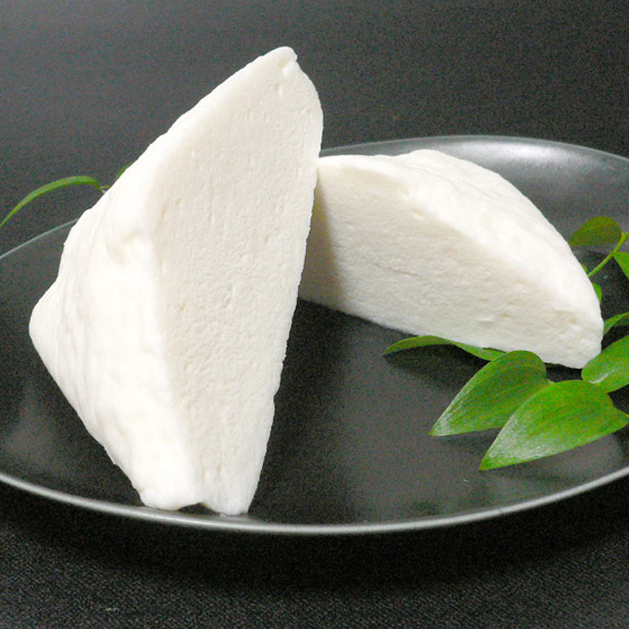
This is another kamaboko made using white fish surimi, but what makes it unique is its meringue-like texture. This comes from the addition of yamaimo or nagaimo (Japanese mountain yam). This yam acts as a binding agent as it gets slimy on grating. This makes it fluffy, soft, and spongy on eating. Used in various dishes like oden and datemaki (Japanese rolled omelet, scroll down for more on datemaki).
KOMBUMAKI KAMABOKO
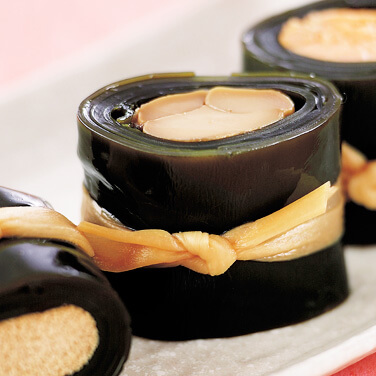
As the name suggests kombu maki kamaboko is fish cakes with layers of kelp inside to create patterns like swirls and other shapes in the fish cake. When cut through these kamaboko reveals various patterns making this type a bit more expensive than the regular kamaboko.
SASA KAMABOKO
A type of kamaboko is inspired by bamboo leaves. This type of fish cake is shaped like a bamboo leaf and hence the name sasa kamaboko, where sasa stands for bamboo grass in Japanese. After shaping them they are grilled for helping in the preservation and this also adds an extra flavor to it. This originated in the Miyagi region and is a popular specialty even today.
KANI KAMABOKO
This is the famous imitation crab which a lot of you may have come across but did not notice. In simple words looks just like crab meat with its beautiful reddish color and flesh. But it is made with fish surimi with crab essence added to it.
DATEMAKI
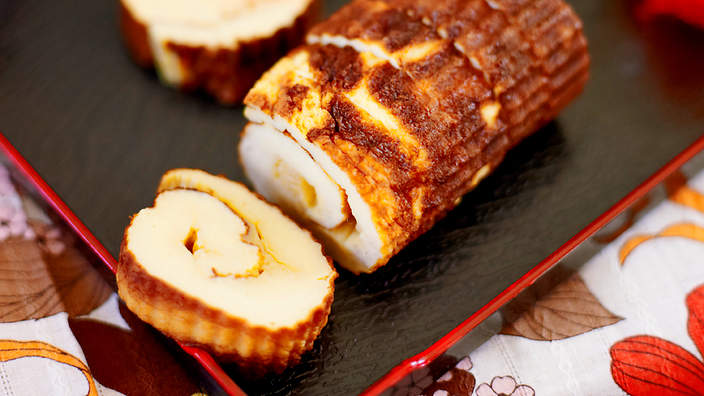
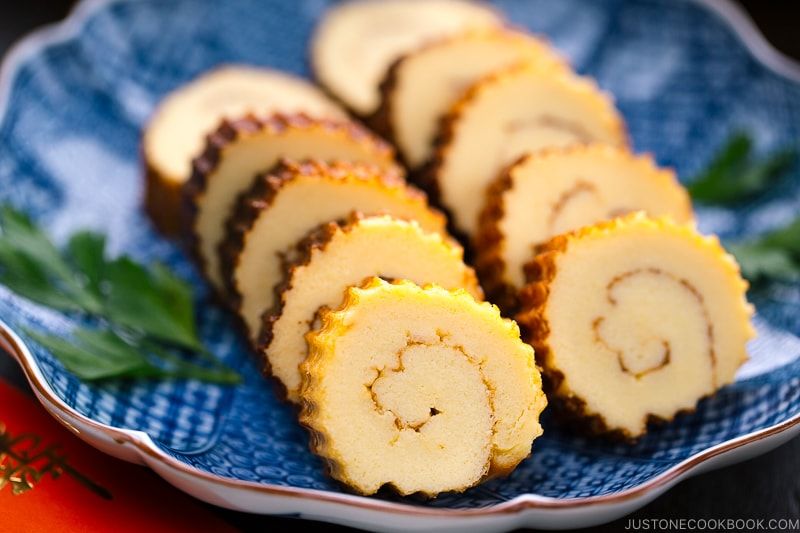
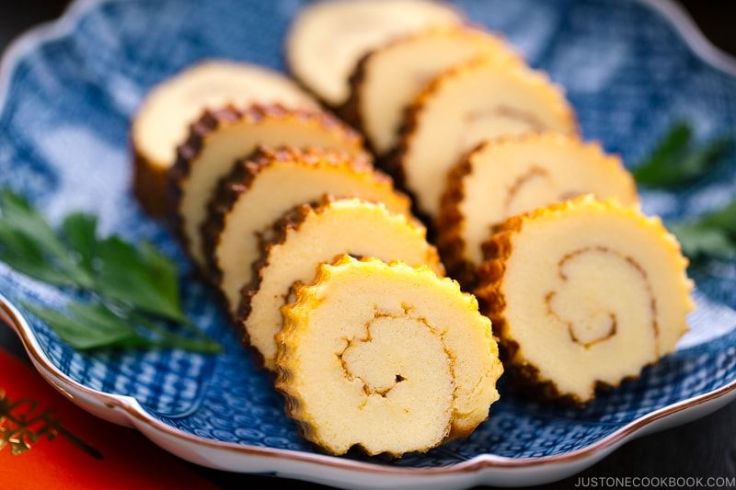
This is another type of kamaboko which is usually called rolled sweet omelet. This is made with egg and hanpen (triangular fish cakes). Shrimp paste can also be used alternatively instead of hanpen. This also has sugar and mirin added to it giving it its acquired sweet taste. The first time I had this was during the Japanese new year where this kamaboko is very common.
The process of making this is very simple, the mixture is cooked in a rectangular pan and then rolled in a bamboo mat. This gives the datemaki its signature shape. The shape of a datemaki is inspired by the shape of scrolls which are considered to be a source of knowledge. Hence on eating datemaki on new year it is believed that you will be blessed with a year full of learning and wisdom.
Where can it be used?
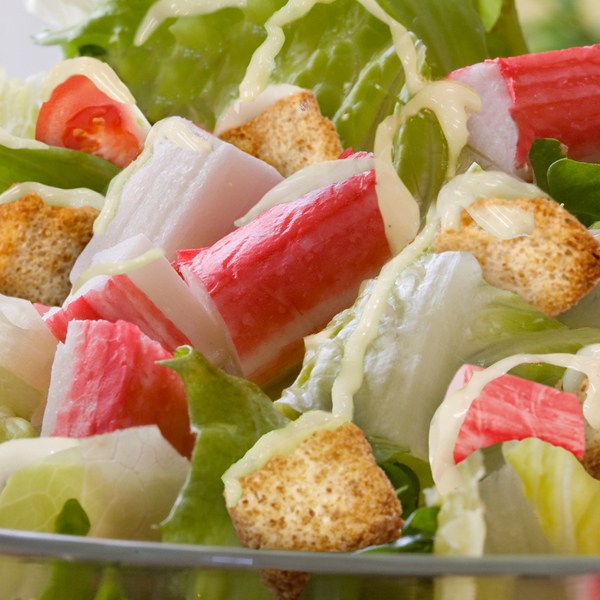
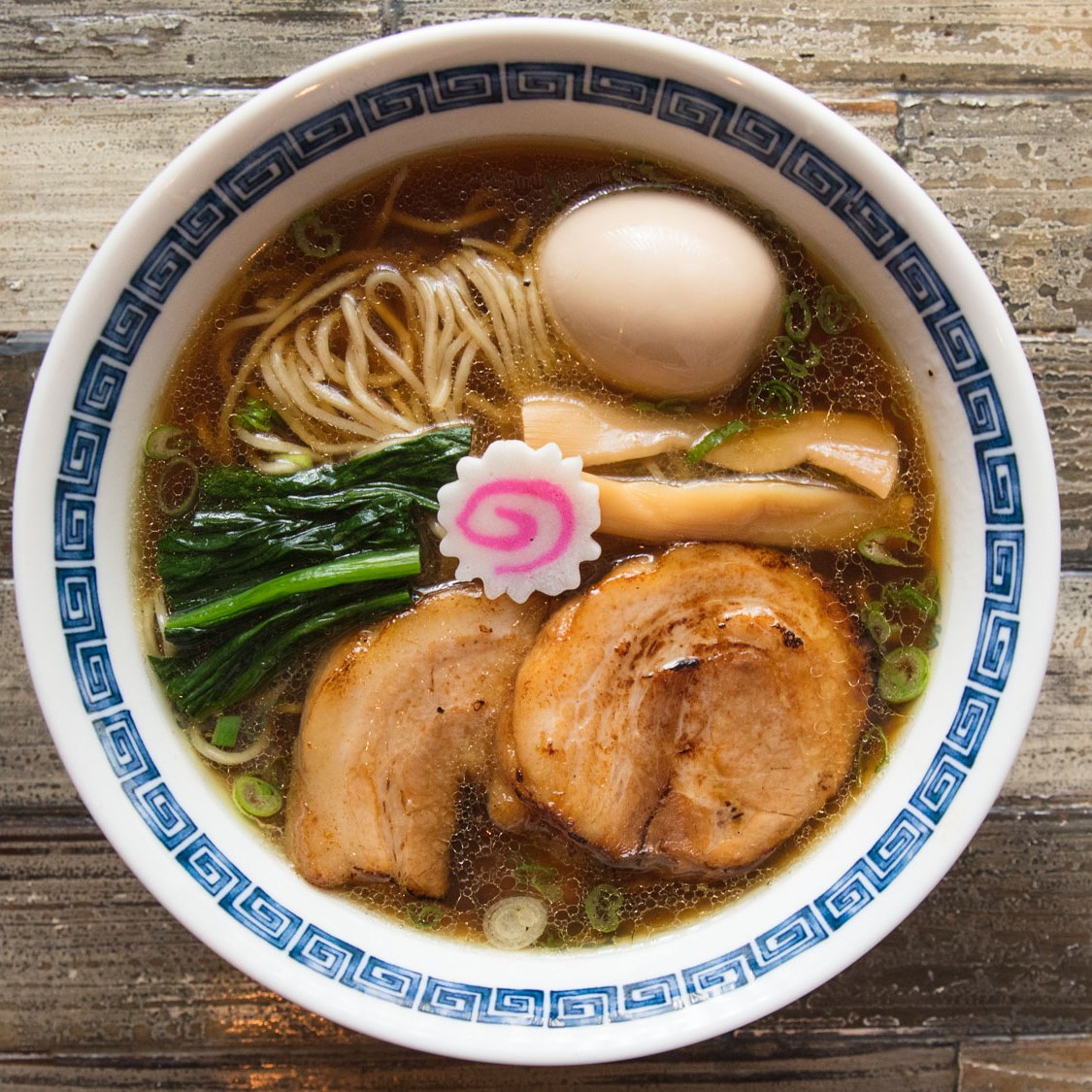
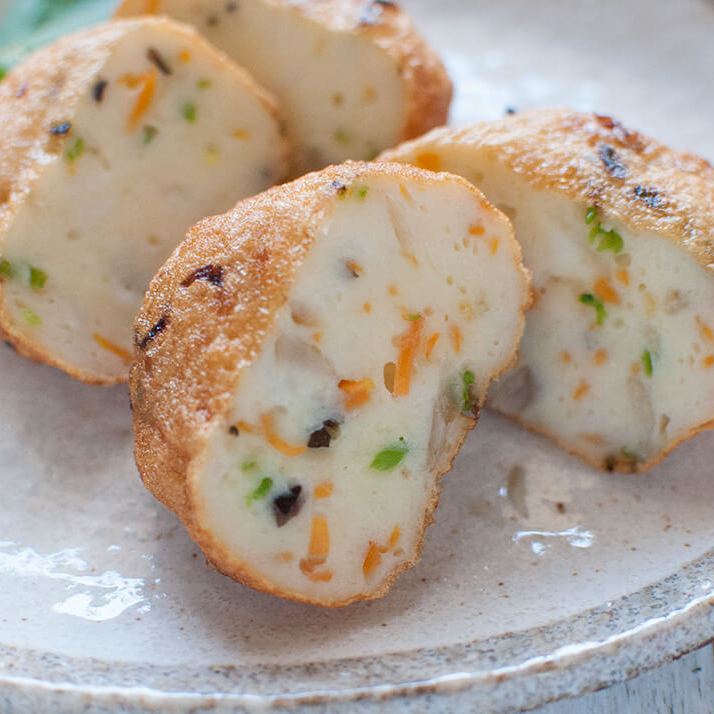
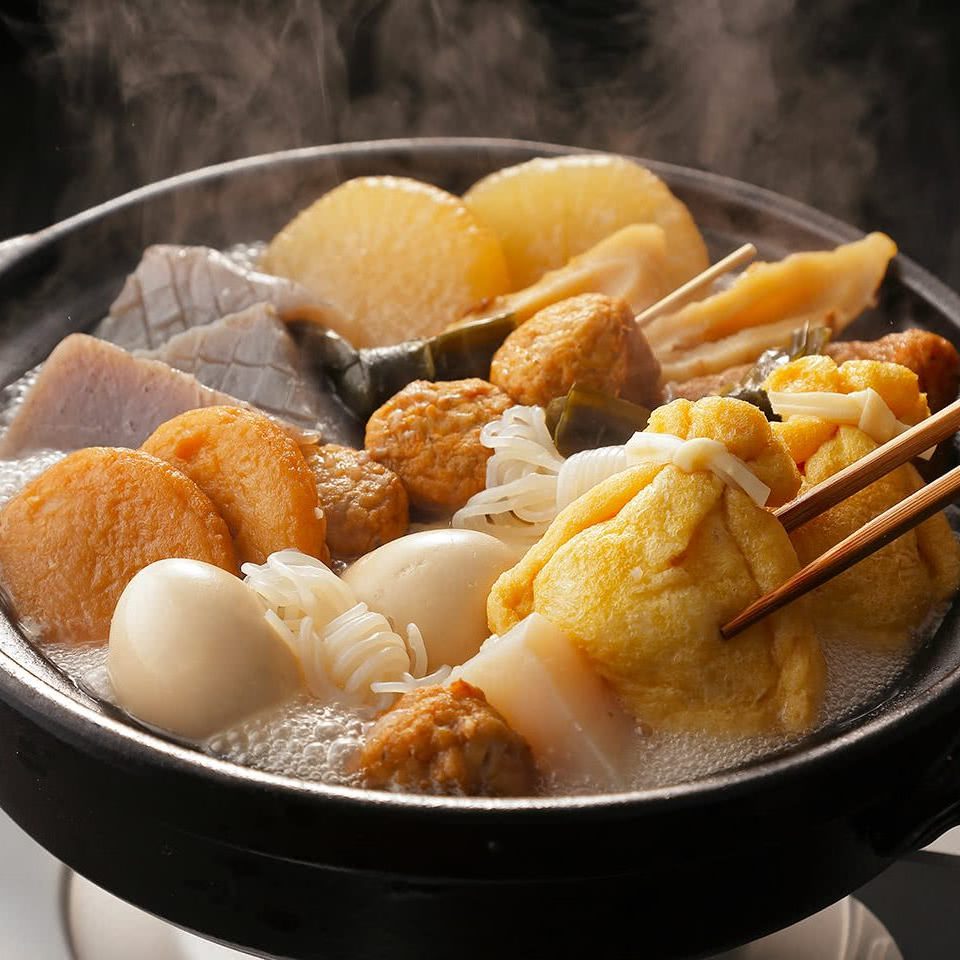
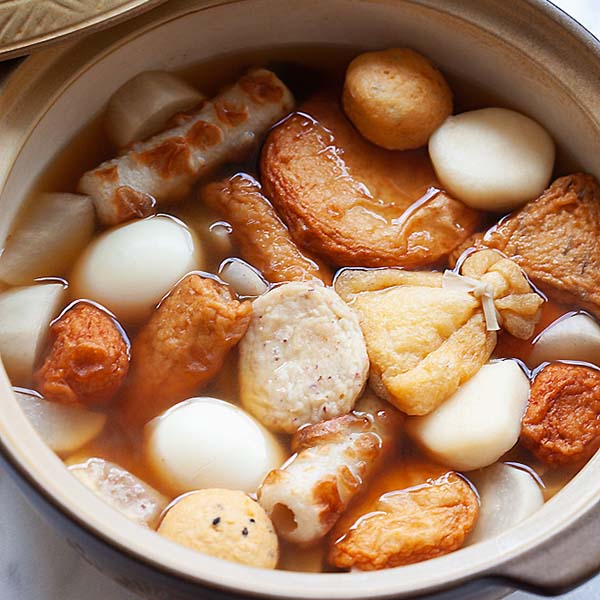
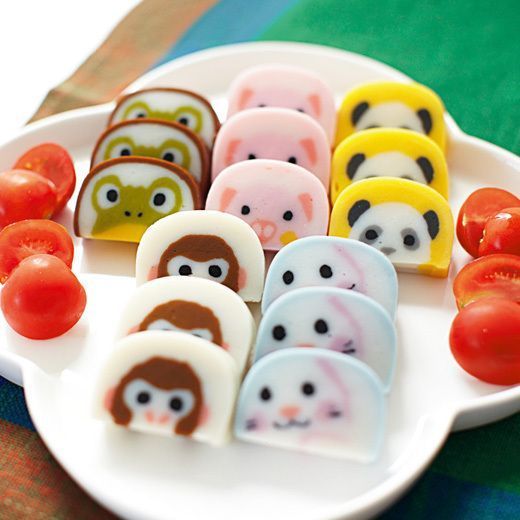
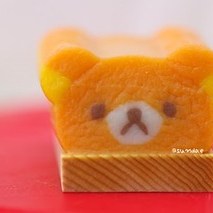
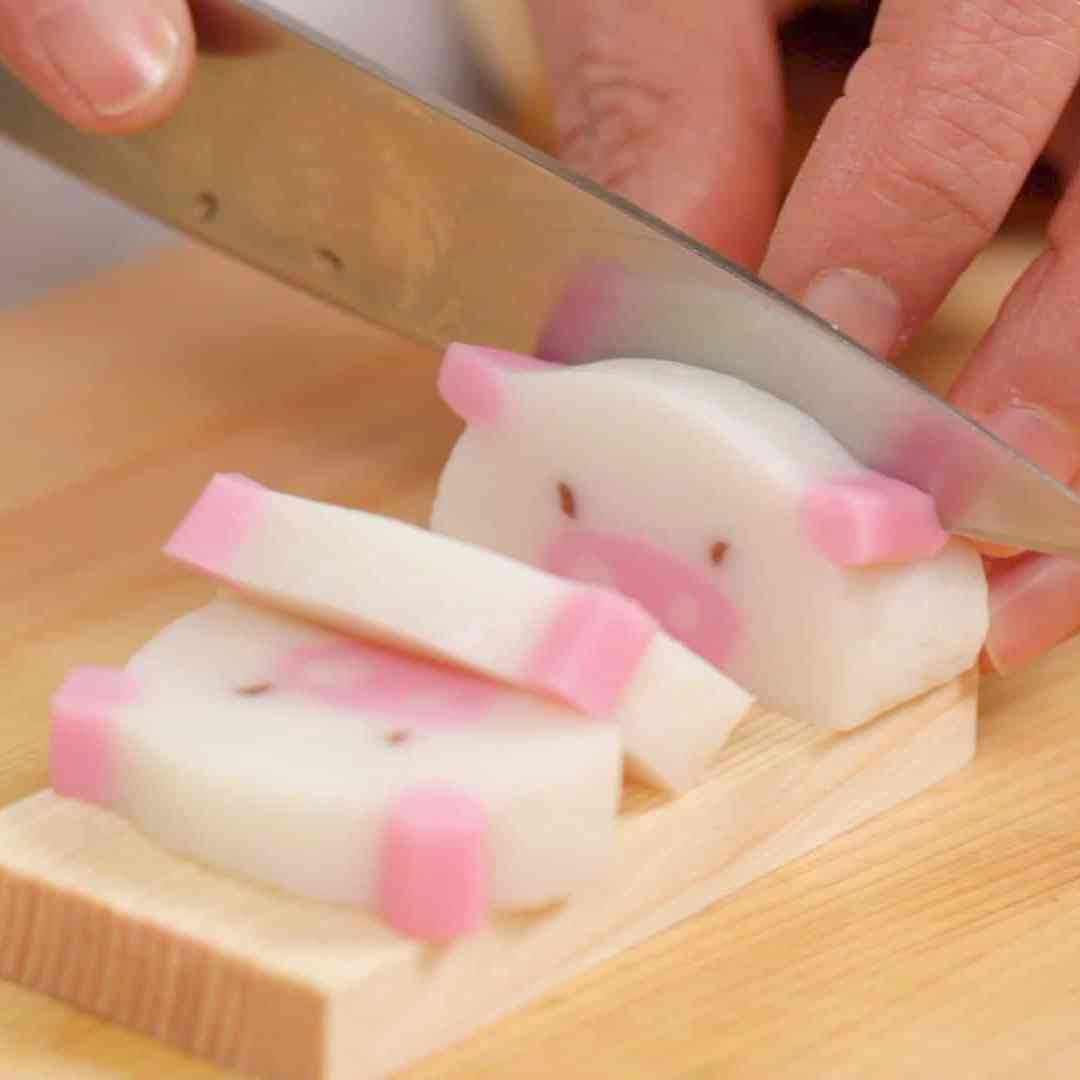
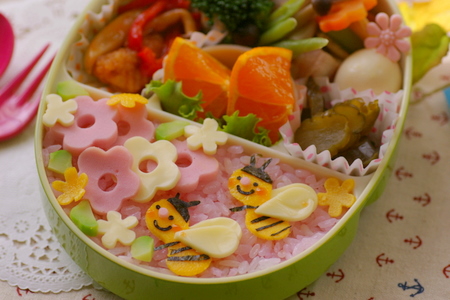
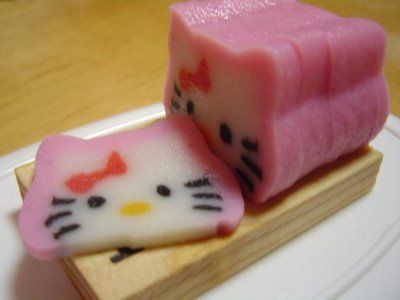
Kamaboko can be eaten hot or cold, as a snack or part of a dish. You can have it as it is or dip it in some soya sauce, wasabi, or add little ginger. it is also used in a few popular dishes. Narutomaki is commonly used in ramen and other forms and shapes of kamaboko are used in soups and one-pot meals like oden. They are also deep-fried and had like a snack. These fish cakes are also a beautiful addition to salads for both flavor and color. The kani kamaboko (imitation crab) is used in various sushi rolls too. They can also be added to stir-fries and made into cute characters for bento boxes. There are various cute characters made using kamaboko which makes them irresistible for people in all age groups. During special occasions like the Japanese new year, special shapes and patterns are created.
Do Share your kamaboko experience below. Feel free to share your thoughts on this blog and give suggestions and topics for upcoming blogs.
*If there are few dishes that you are not aware of do not worry. Will be covered in the blogs to come.
 A Long たまご....
Leave a comment