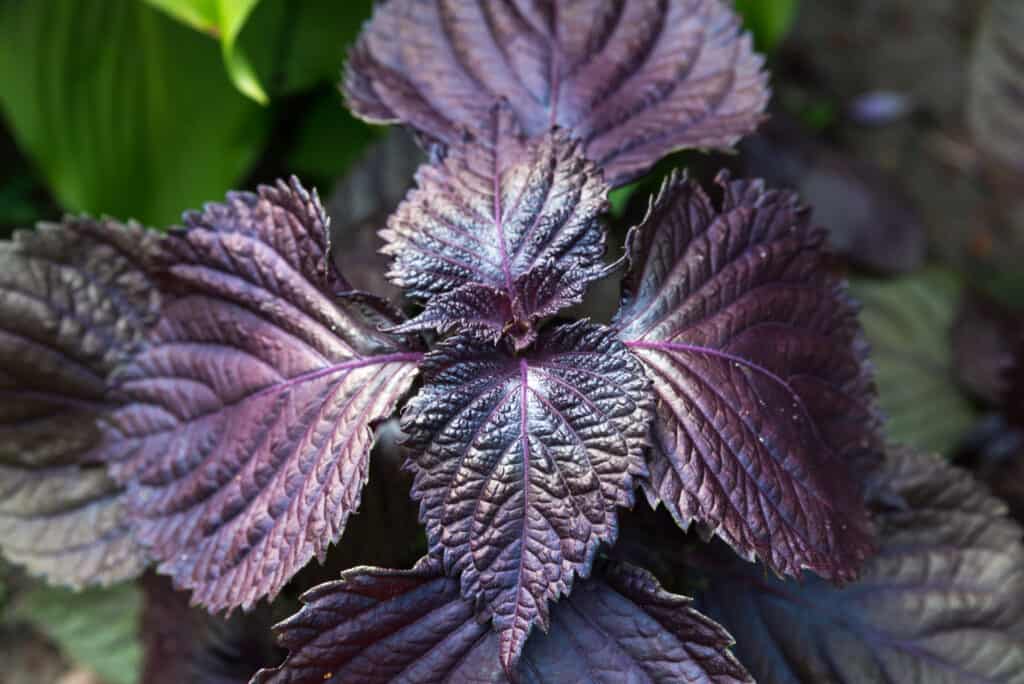
THE RED SHISO SALT
I learnt about this seasoning in a really funny way. Before I start the story I just want you to remember that my host mother’s name is Yukari, ok? Keep reading and you will see why soon.
My host mother has a habit of making the most KAWAII (cute) bento box ever. Having two kids (two adorable twins!) plus me she was always experimenting and creating cute and fun memories for us. One such bento box was what led me to this ingredient.
I opened my bento box during lunch at school and found this really cute looking bear made with rice and nori (seaweed) bits for the eyes and nose. But the most fascinating part was the color of the ears, they were PURPLE! I first thought she added some kind of coloring agent but when I tasted it, it had a slight tangy flavor.
This kept me curious and pondering for the rest of my school hours. So I rushed home after school and went straight to my host mom to find out what this purple magic was.
Remember I told you to remember that my host mother’s name is Yukari?
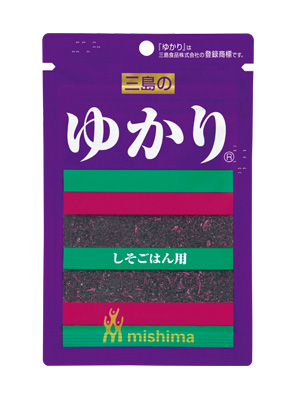
So when I asked her what was the purple seasoning used to color the rice guess what she said? YUKARI! She said that it was named after her. For a second I looked at her and thought she was actually making fun me. But then she showed me the package of the seasoning that she had used. There it was printed in bold YUKARI and that was how I found out about this purple seasoning, which by the way is not named after my host mother.
SO WHAT IS YUKARI ?
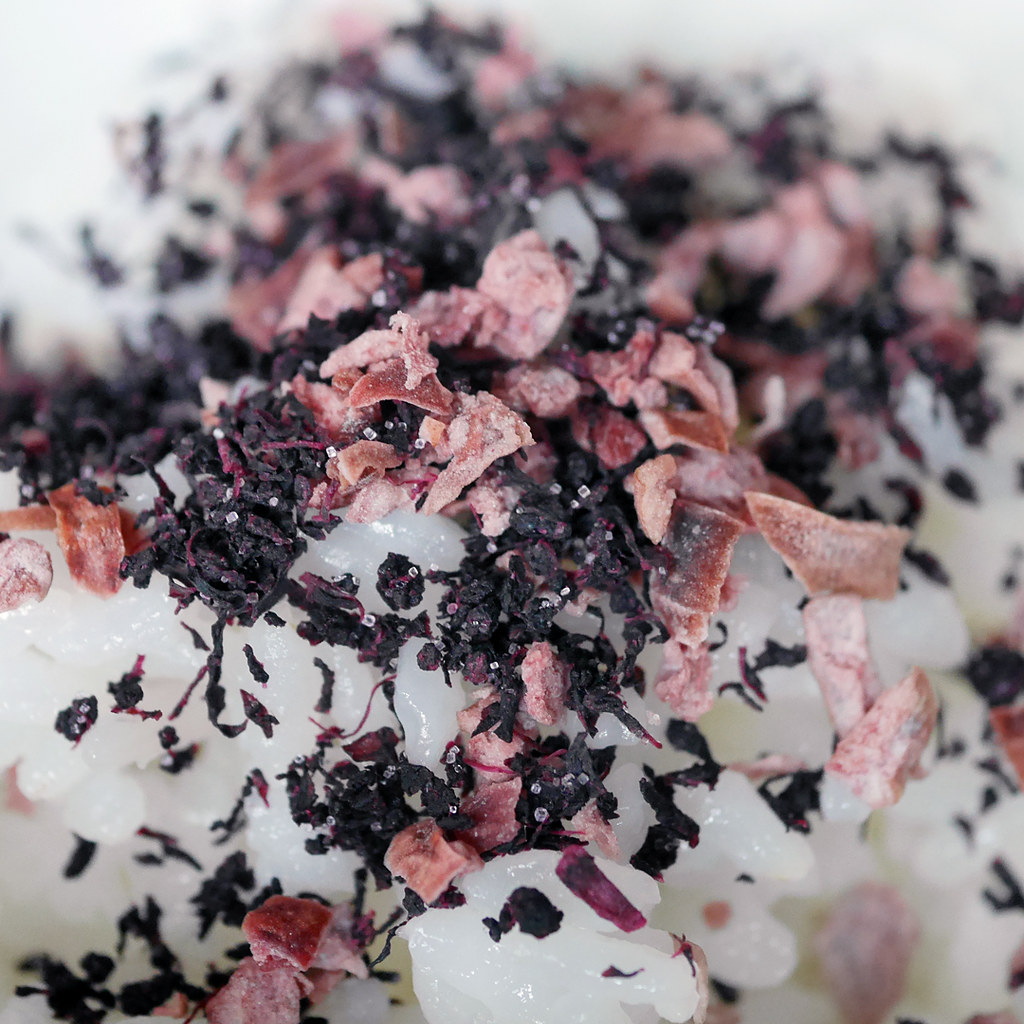
Yukari is a type of furikake ふりかけ ( rice topping ) made from dried red shiso leaves. For those of you who are wondering what is furikake and shiso, do not worry will give you a short brief about them before we explore Yukari in detail.
Furikake…
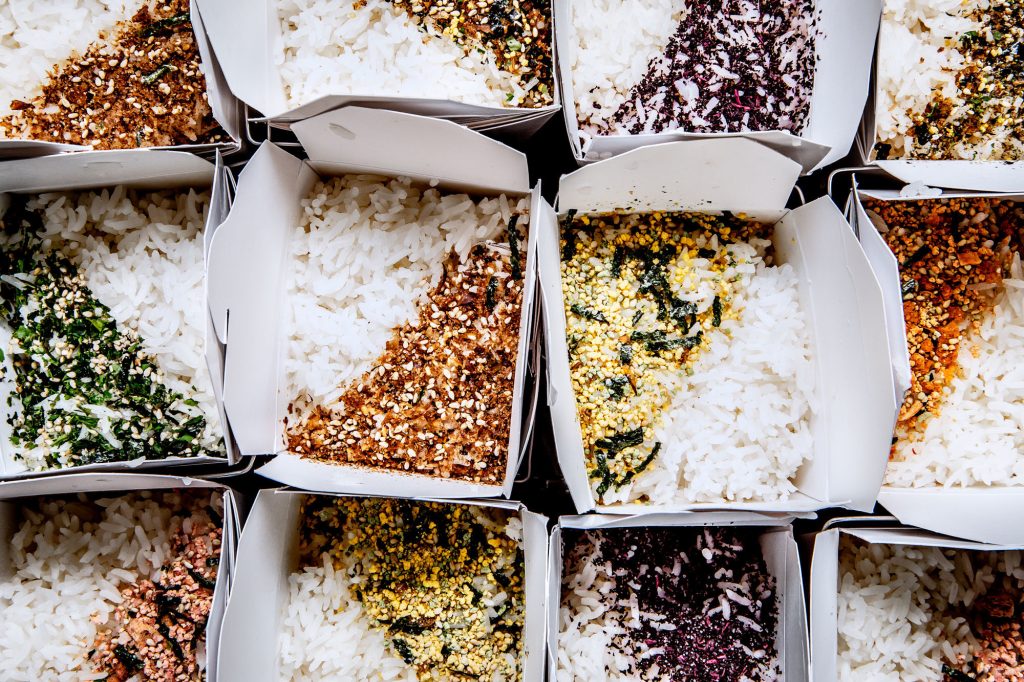
Japanese people have very simple but delicious flavors. Being very hard working in nature their meal periods can sometimes get tight for time, but that does not give them a reason to compromise on flavor and health.
One such thing which is not only healthy and quick but also enhances the flavor of something as simple as rice, are the various rice toppings they use. Which is known as furikake in Japanese. ふりかけ(furikake) literally translates to sprinkle, so now you know how it got its name.
Furikake is just a general term used for various Japanese rice toppings. Initially it was created for people with calcium deficiency using fish bones. Slowly this style of seasoning became popular and were being made with various ingredient combinations. Which led to numerous types of furikake and one such furikake is Yukari.
Shiso…
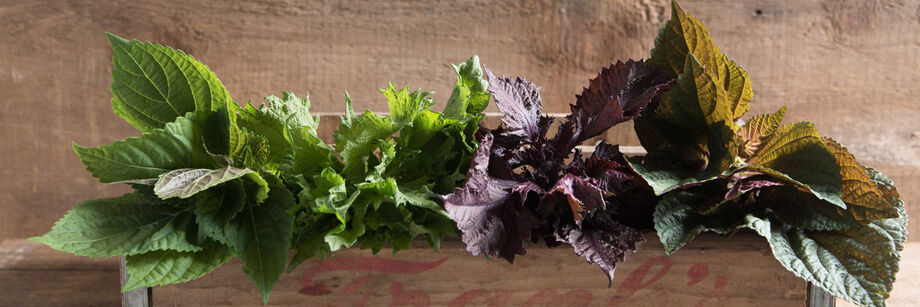
Shiso is a herb from the mint or the sage family. It is known as wild basil or beefsteak plant in English as the color of the leaves resemble the blood-red color in meat. These come in green color as well. The red leaf variety used for making our seasoning is also called purple mint in some regions.
The use of shiso in the Japanese cuisine is huge as it is such a versatile ingredient. These leaves can act as a food coloring agent. It is used to dye umeboshi (pickled plums), which gives it its distinctive red shade and also for coloring rice. These leaves can also be dried and the flakes are used for in various furikake.
The green shiso on the other hand is used in a lot of dishes from tempura to garnishing sashmi platters to even being featured as seasonal flavored beverage by Pepsi. It is also used to wrap patty, onigiri (rice balls) and used in salads too. Some even say that shiso is the Japanese substitute for basil.
Shiso even has a lot of medicinal properties and is classified as on of the healing herbs under Kampo medicine (traditional Japanese form of medicine based on various herbs). It helps in strengthening your immune system and relieves stress. It is also said to have cancer fighting properties, helps in improving blood circulation and even helps prevent anemia.
Yukari…
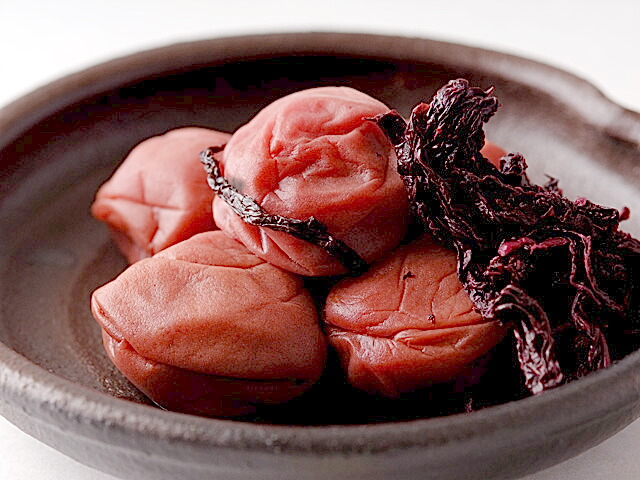
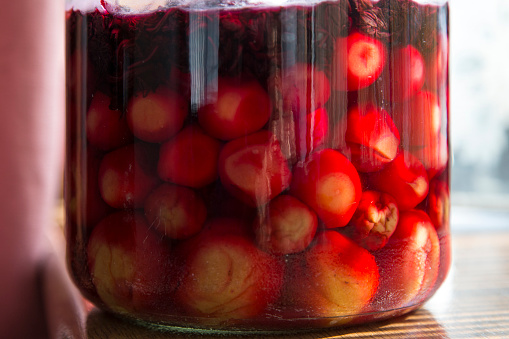
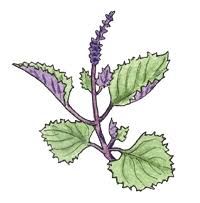
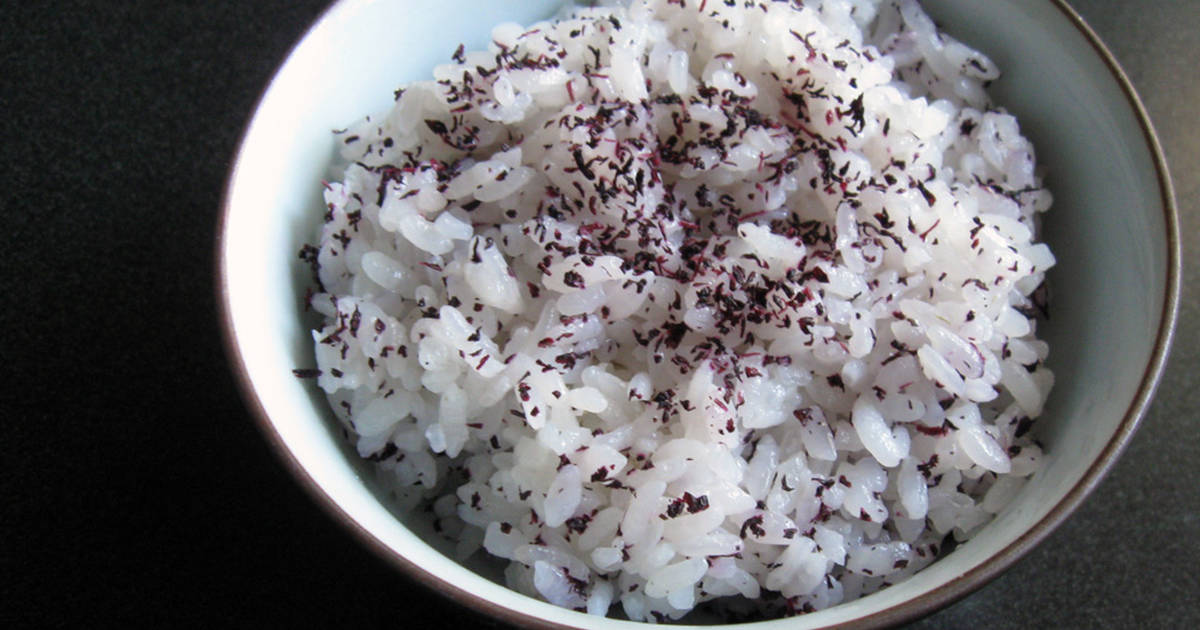
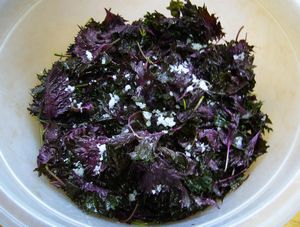
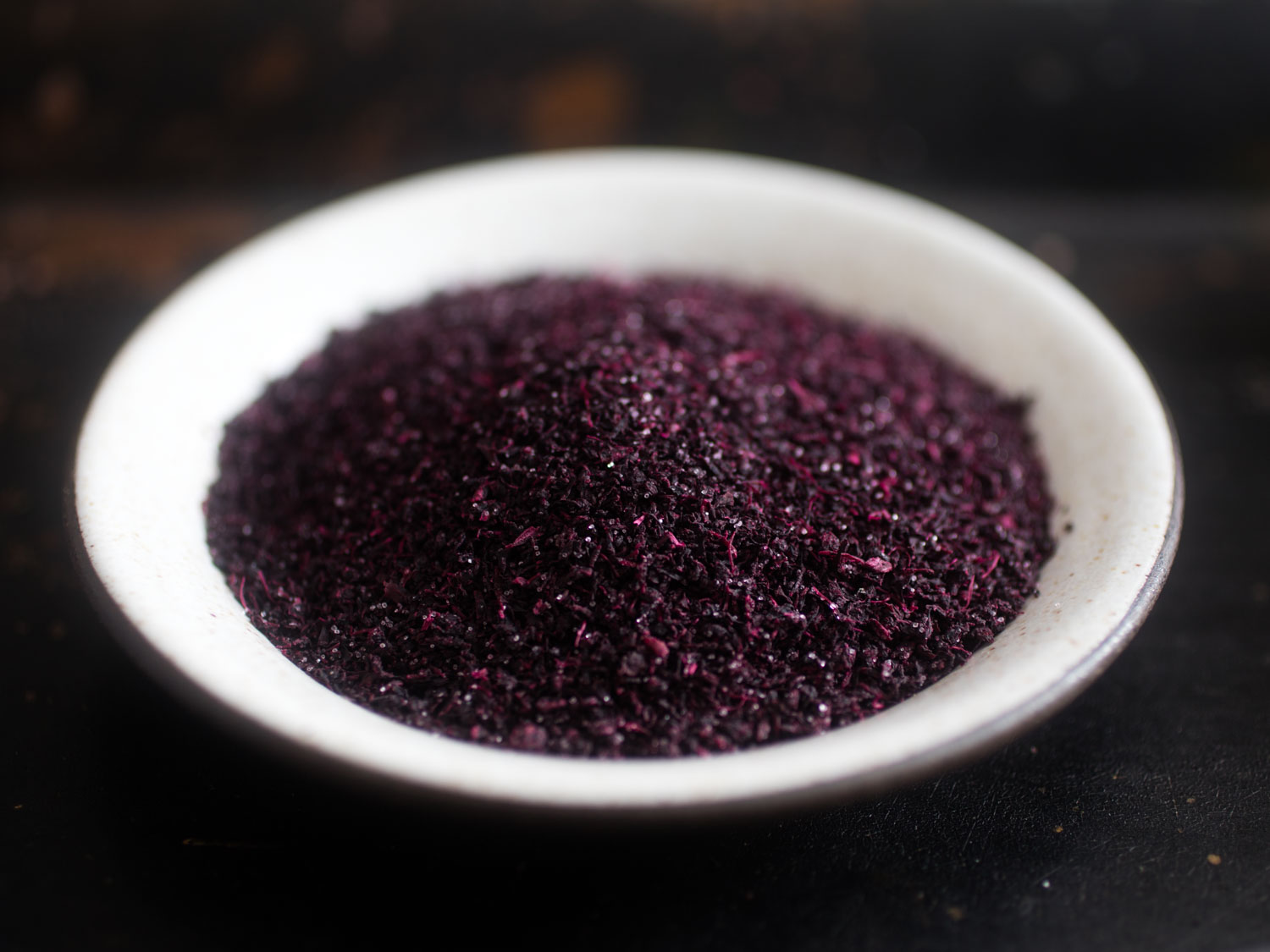
Now that you understand shiso and furikake let us look at Yukari. It is very popularly used as a furikake for both its color and taste. It is commonly used on top of rice, in onigiri, on soba and also sometimes added to sushi. Now a days even used in sorbets, salads and drinks too. Combinations are endless and it is up to you how you want to have it.
It has this really beautiful reddish purple shade and has a very interesting herby and tangy flavor. The term Yukari literally means purple in ancient Japanese and it is obvious as to why it is named so.
How is it made ?
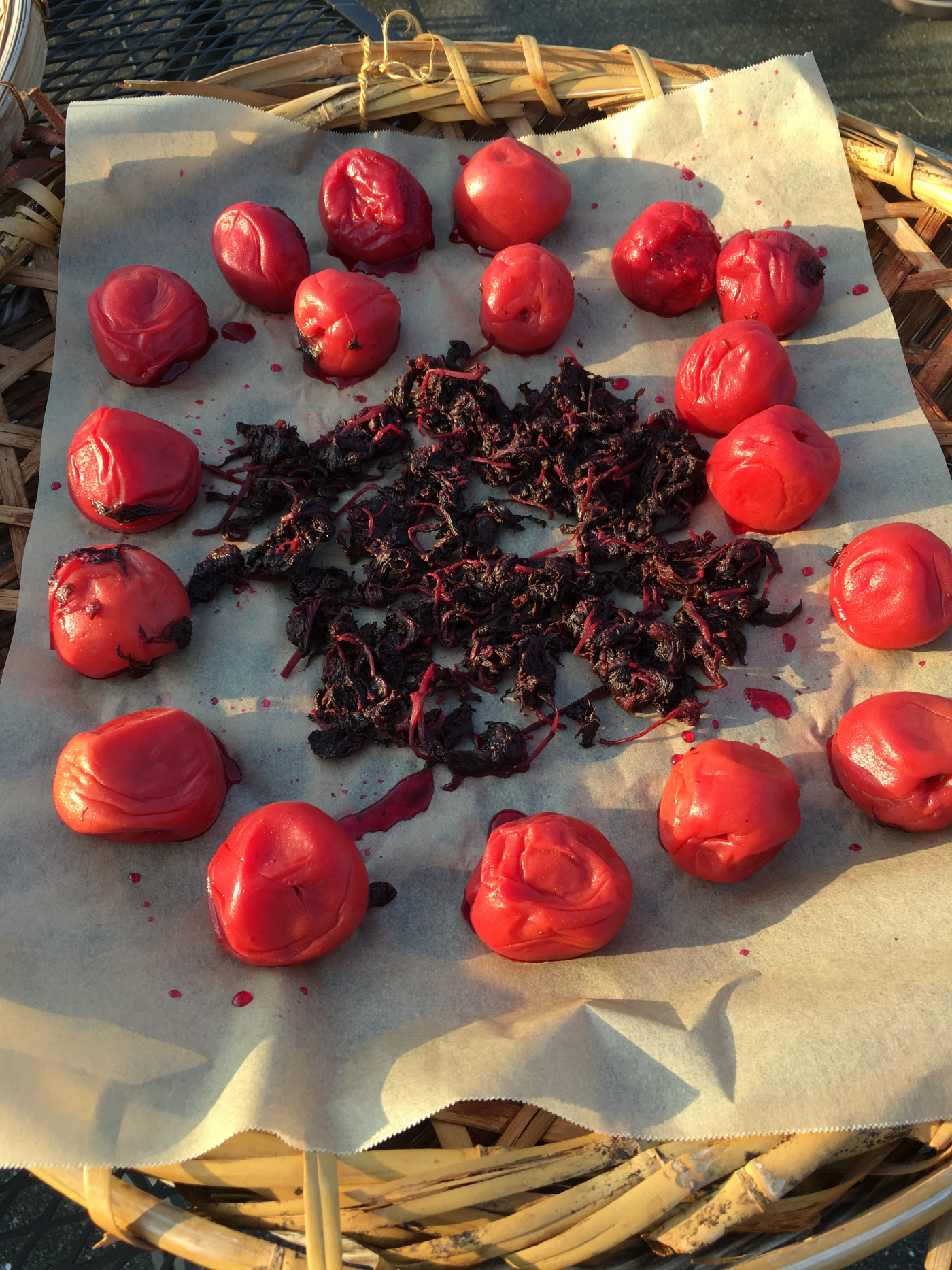
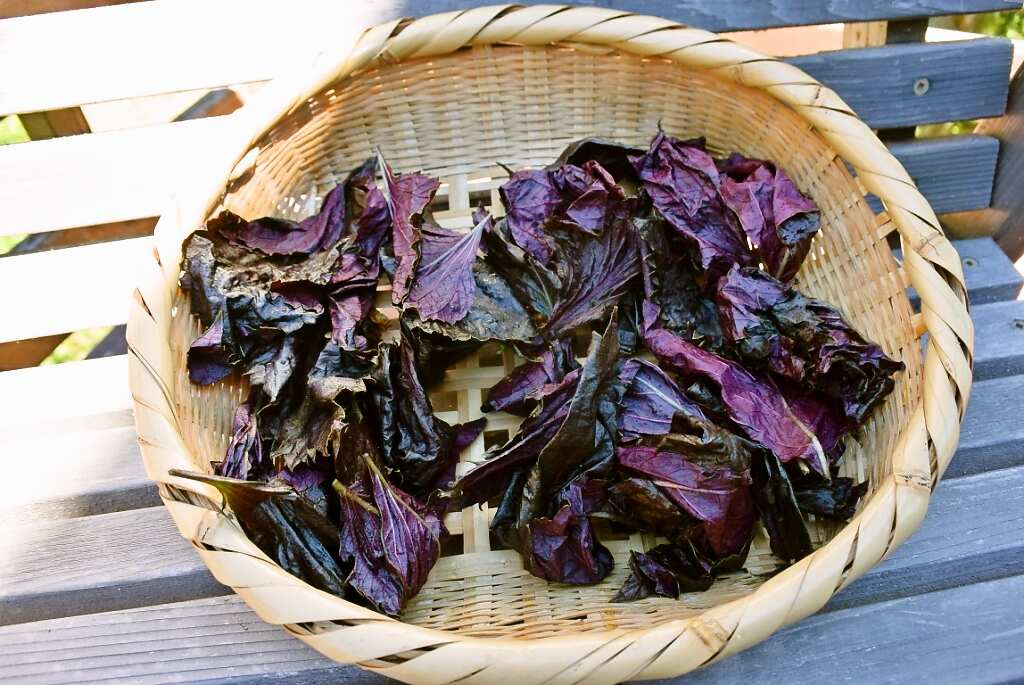
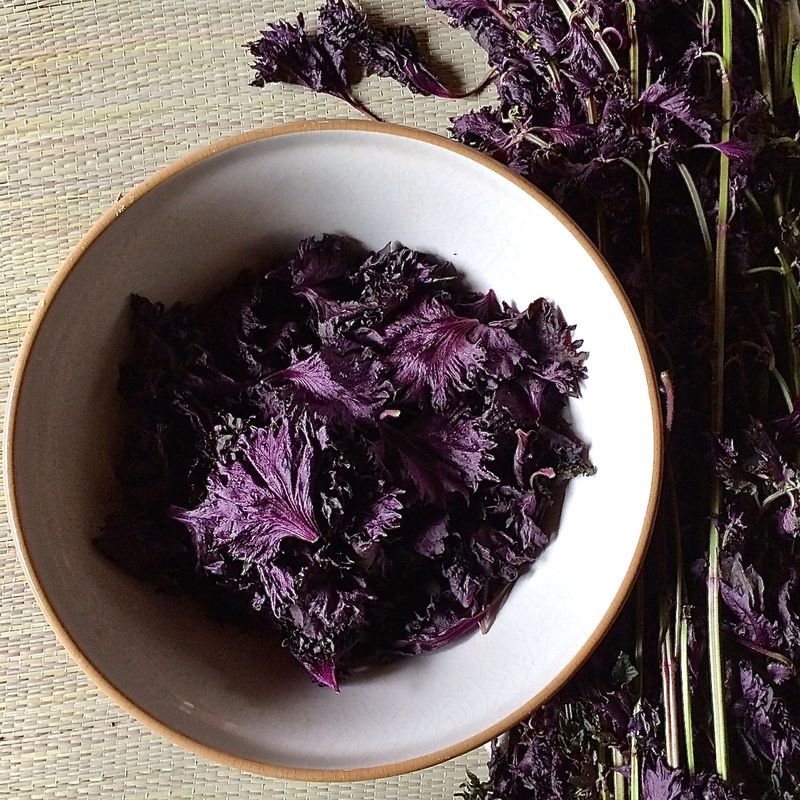
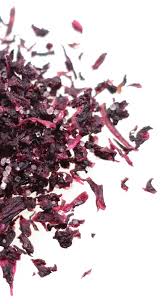
Remember I mentioned how red shiso leaves are used to color umeboshi (pickled plums)? Well so one of the production methods of Yukari is connected with it. The shiso leaves are let to sit together with the plums for months for both flavor and color. The by product of making umeboshi is pickled aka-jiso (Japanese term for red shiso). Which is then removed, sun dried and made into our delicious red shiso salt or Yukari. Hence it has the tangy flavor from the plums and the assertive shiso flavor.
If you want to try making them at home and do not have umeboshi, you can pickle the leaves then sun dry them. Another quick way is to just dry the purple shiso leaves and mix them with sea salt and little sugar (this might not have the tangy factor but is quicker). My personal suggestion would be to try pickling them, with or without umeboshi works. This will have the best combination of both tangy and herby flavor.
The Yukari seasoning I have tasted was by the manufacturer called Mishima (have added a picture of the product above) and I find it quite popular and good, both taste and quality wise.
If you have tasted or used Yukari in a different way would love to here about your experience.
Please do feel free to share your thoughts and comments regarding this blog below.
 A Long たまご....
Got a good understanding of Yukari through your experience. What an amazing topping! Thanks for sharing.
LikeLiked by 1 person
Glad it helped. Thank you so much for reading.
LikeLike