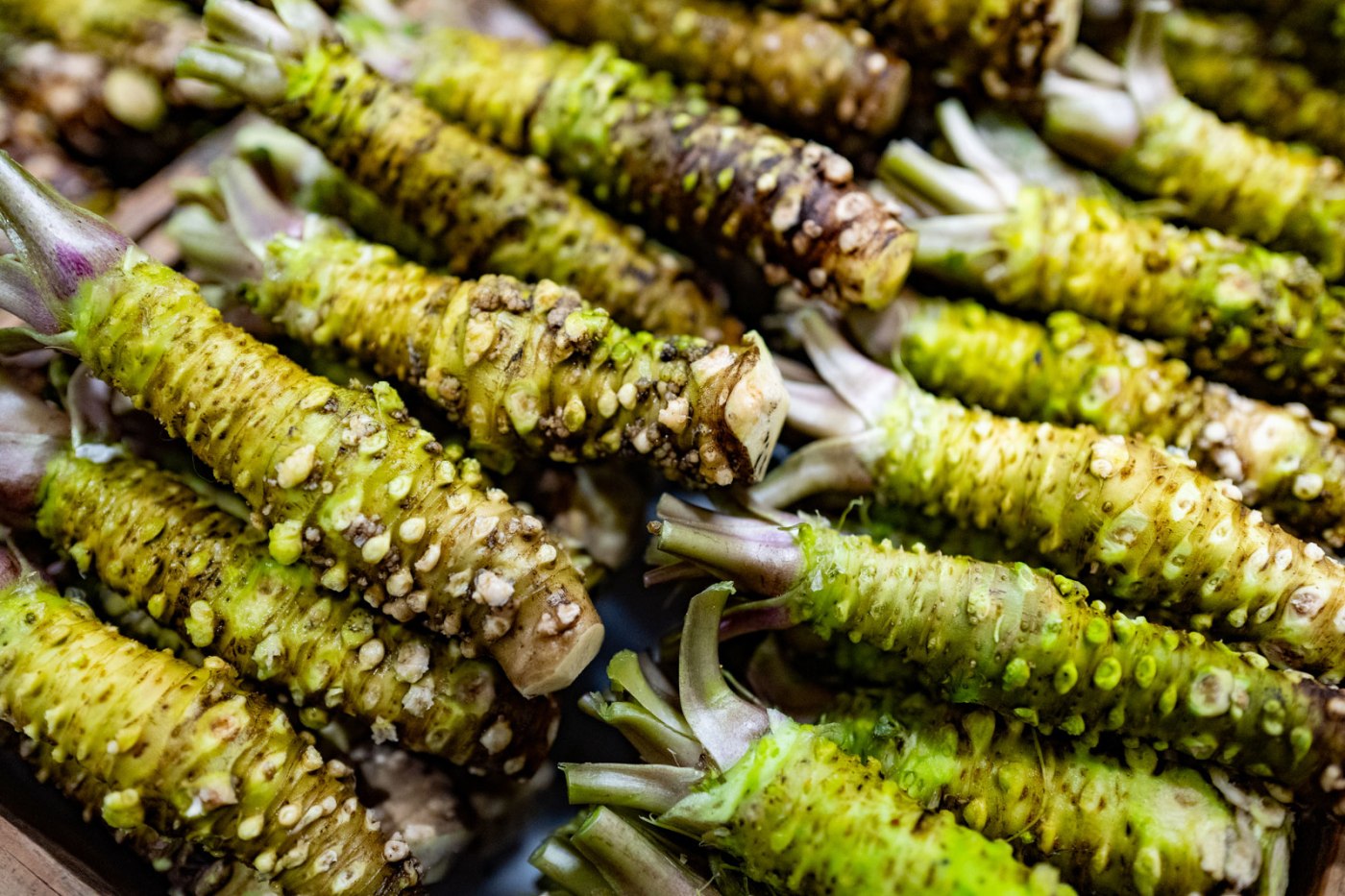
JAPANESE HORSERADISH
How I hate pranks after this incident I had with wasabi. Hate it so much that I even stopped playing pranks on others (there are some exceptions to this statement, like when I played a prank on my father saying wasabi is a chutney (dip)).
It was a normal day at school and during break like every other day, we all sat together for lunch. My friends usually share anything new or interesting they get as I am an exchange student (they share otherwise also). That day one of my friends offered me a “matcha” (green tea) flavored Oreo biscuits (Japan has an obsession for trying out different flavors from matcha to sakura (cherry blossom) to even soy sauce in products like biscuits and Kit Kat). Being an eager exchange student, keen on trying new things. I took it and put the whole thing in my mouth, without even hesitating.
It was fine in the beginning but after a few seconds I had tears pouring down my cheeks, was coughing so badly and my head started spinning. My friends who were having a good laugh at the starting then gave me some milk which they carried thankfully (they came prepared). After about 15 mins of coughing and crying, it finally subsided a bit.
My friends then told me that it was wasabi and not matcha which I figured out the hard way. So my dear readers do not eat anything your friends give you without checking it (or at least take a small bite first)!
Wasabi Vs. Horseradish
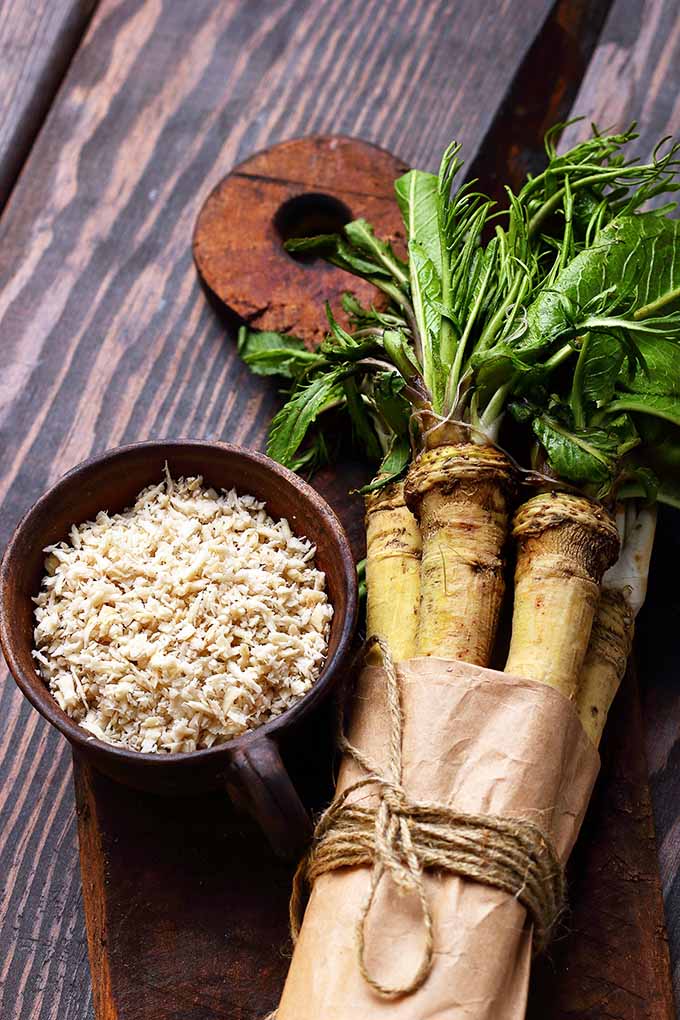
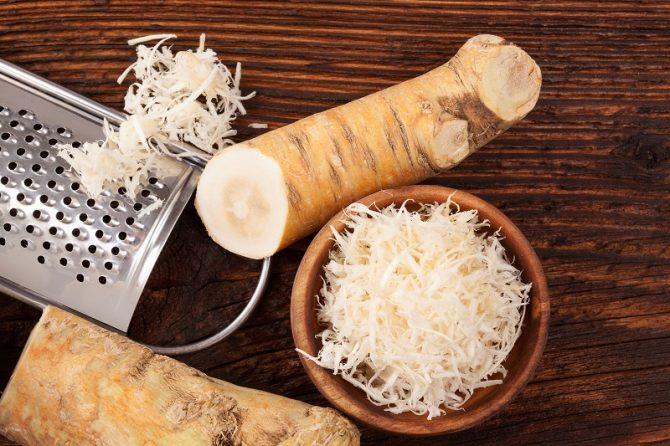
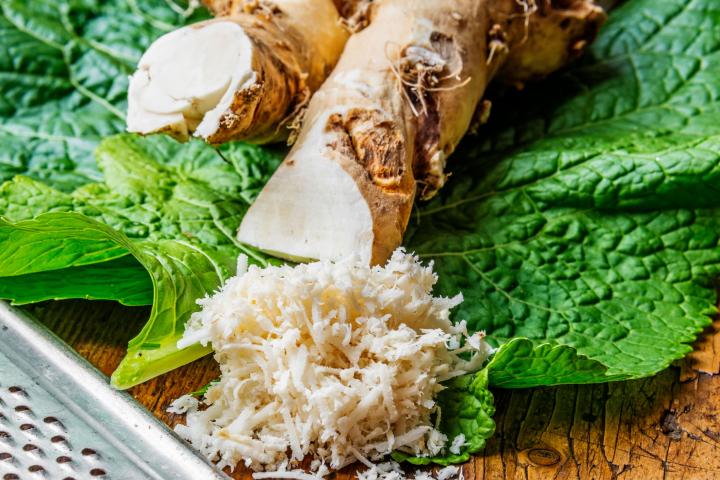
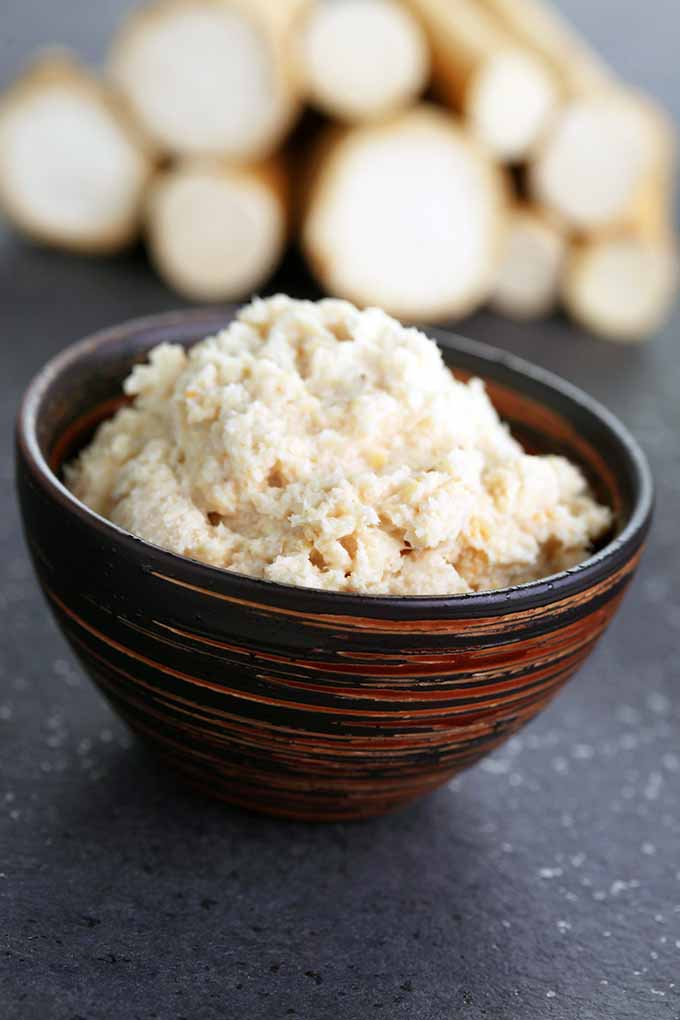
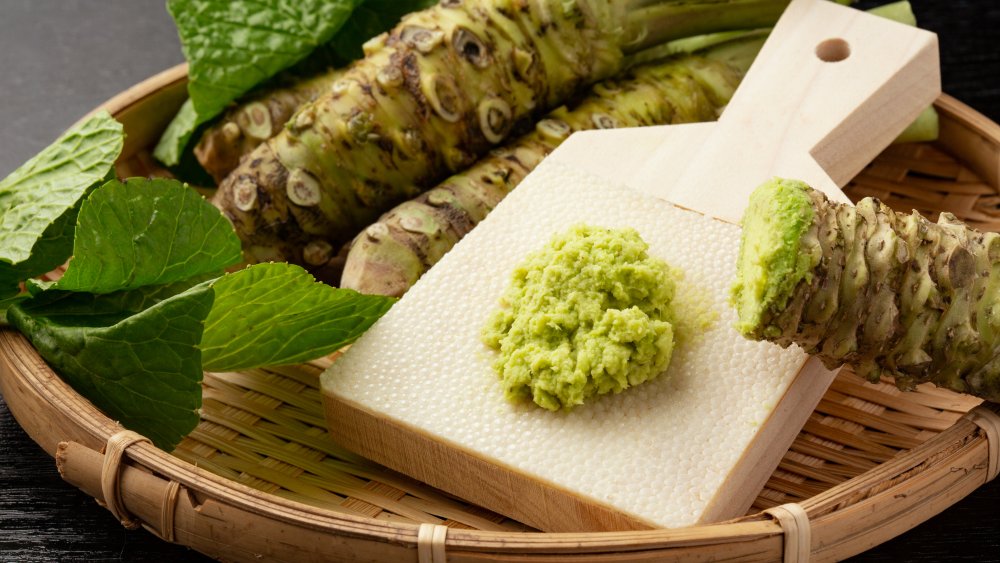
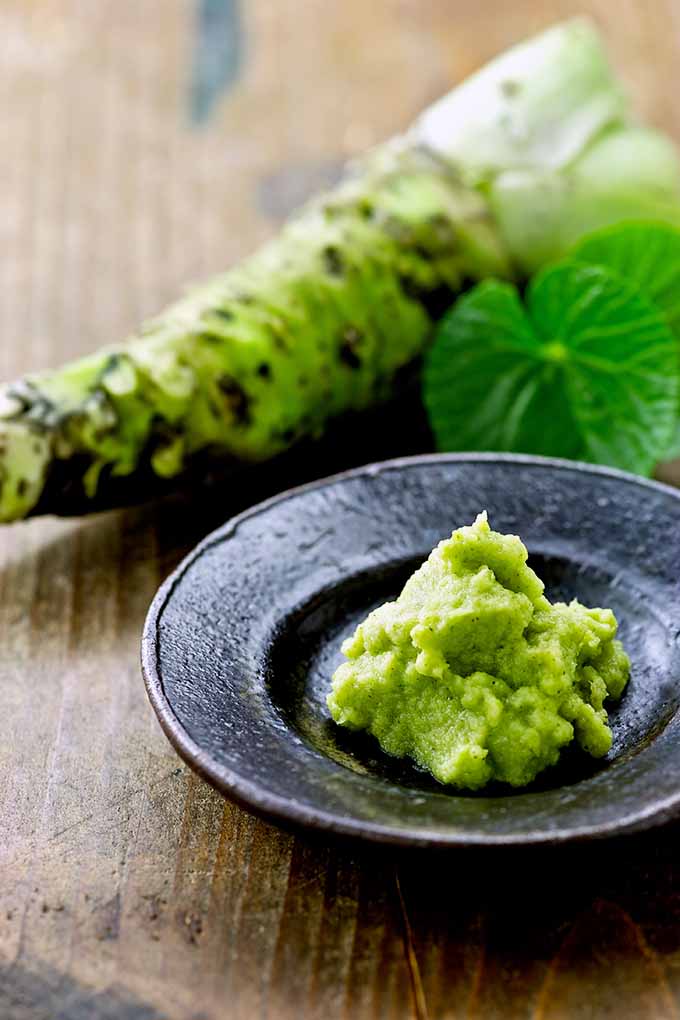
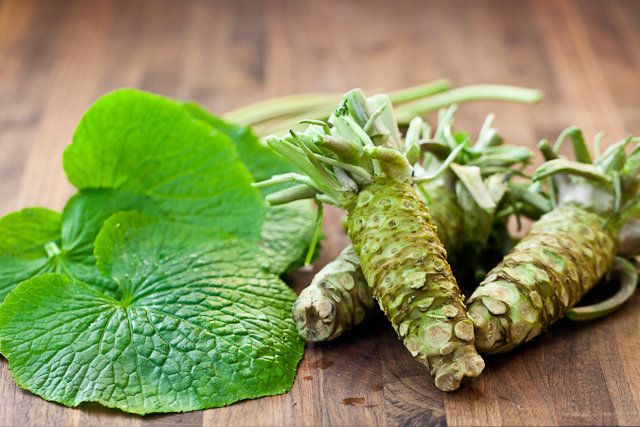
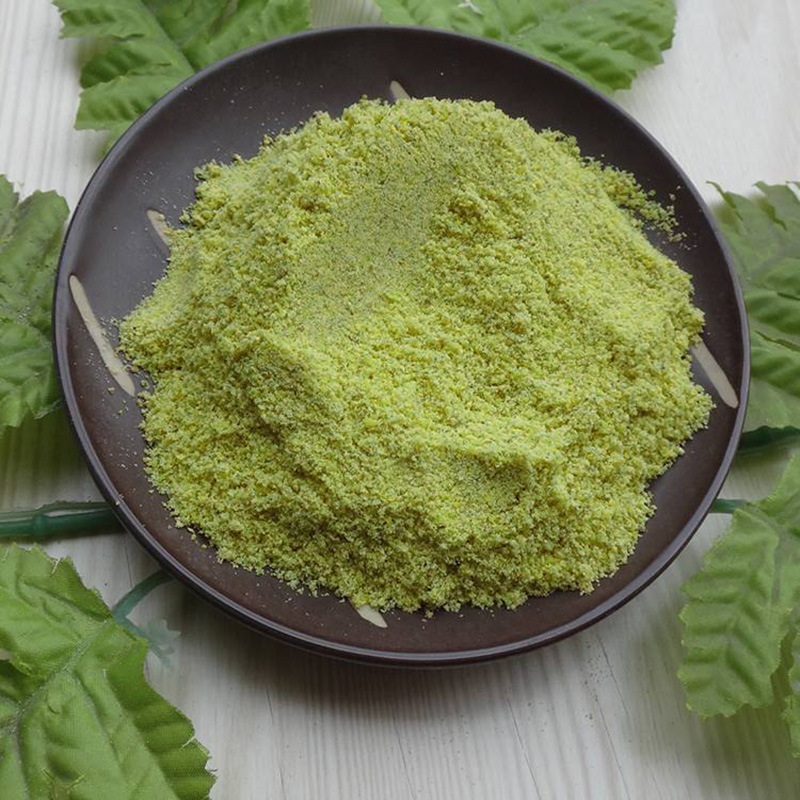
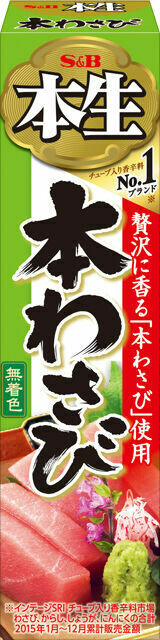
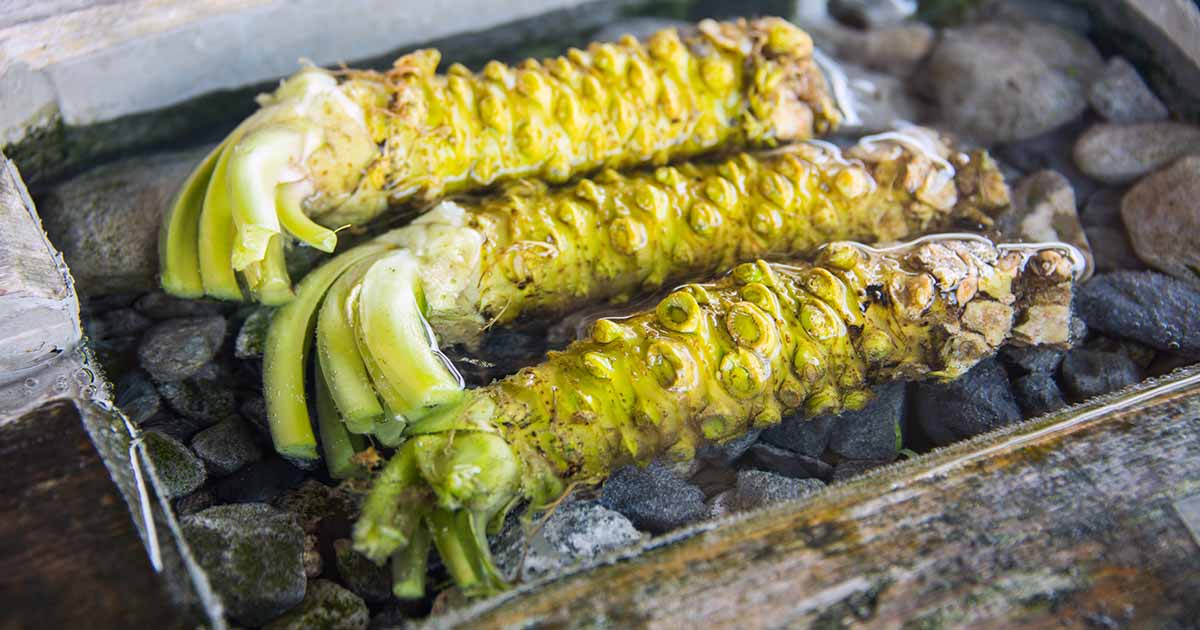
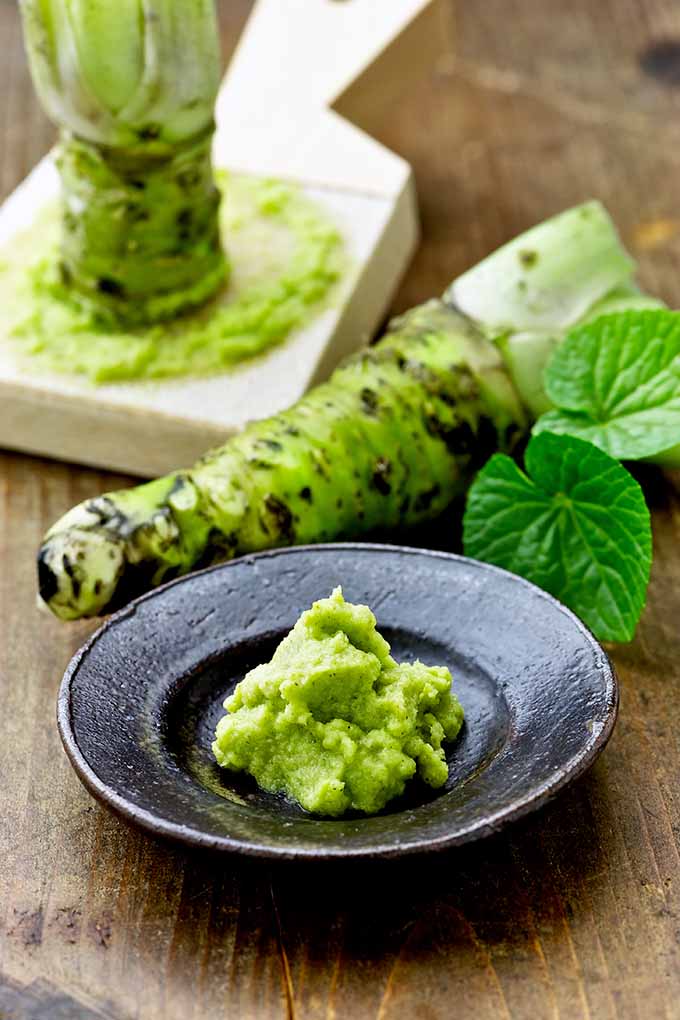
If you have been thinking wasabi and horseradish are the same, then you must read this next part. Although wasabi and horseradish are from the same family and share a similar pungent flavor, they are two entirely different vegetables. One is a root and the other is a rhizome (root is what holds the plant to the ground, helps in the absorption of water and nutrients, and in the storage of food, whereas rhizome is just an underground stem mainly for the storage of food). Wasabi or Japanese horseradish is from the Wasabi Japonica plant and it is a rhizome. It is a bright green stem and has Research says that this plant originated in Japan. The leaves of this plant are also edible and when grated (which is how they serve wasabi traditionally) it loses its flavor very quickly when exposed to air. Wasabi also has a very herbaceous and more complex flavor than horseradish. Most of the “wasabi” served outside Japan is actually a mix of horseradish, hot mustard, and matcha (green tea) or food coloring. So if you cannot get your hands on wasabi this is a close alternative you can make.
Why sushi with wasabi and gari ?
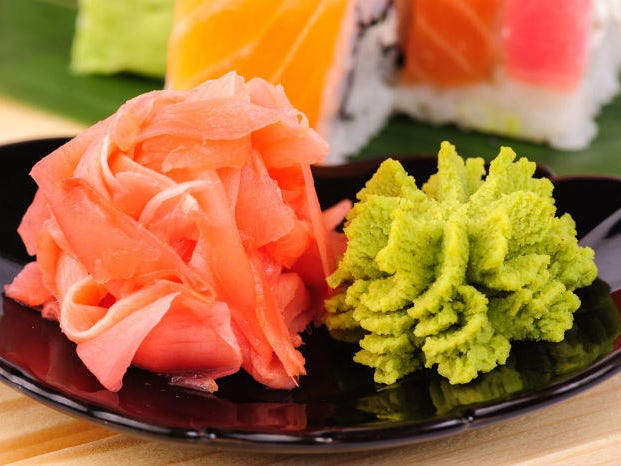
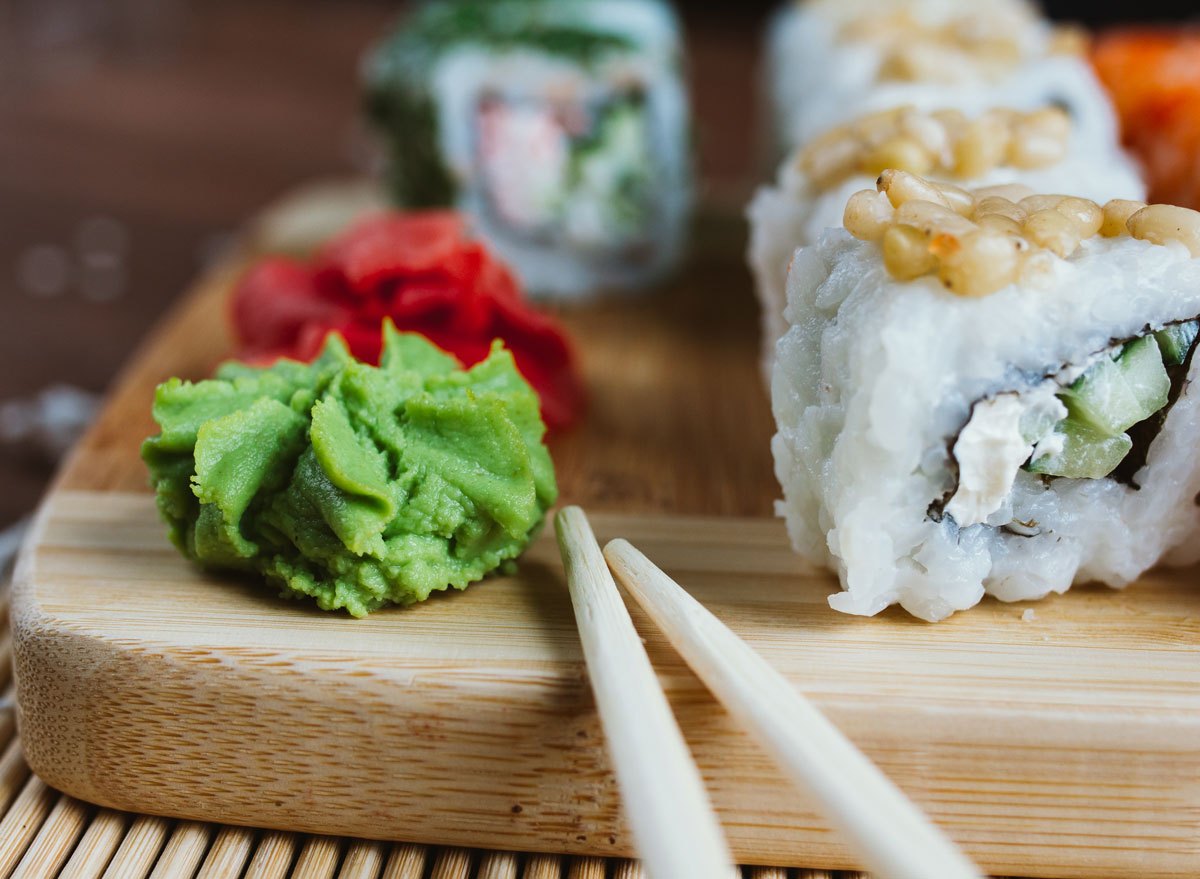
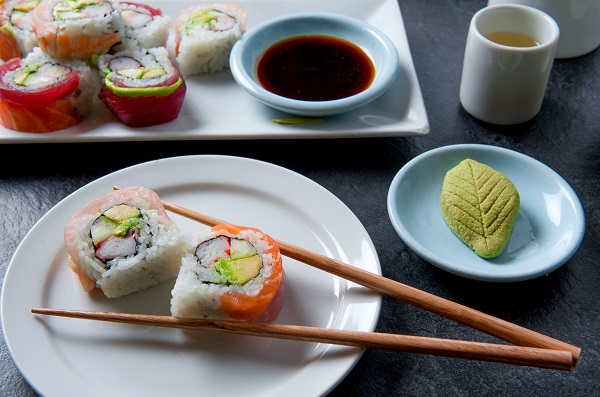
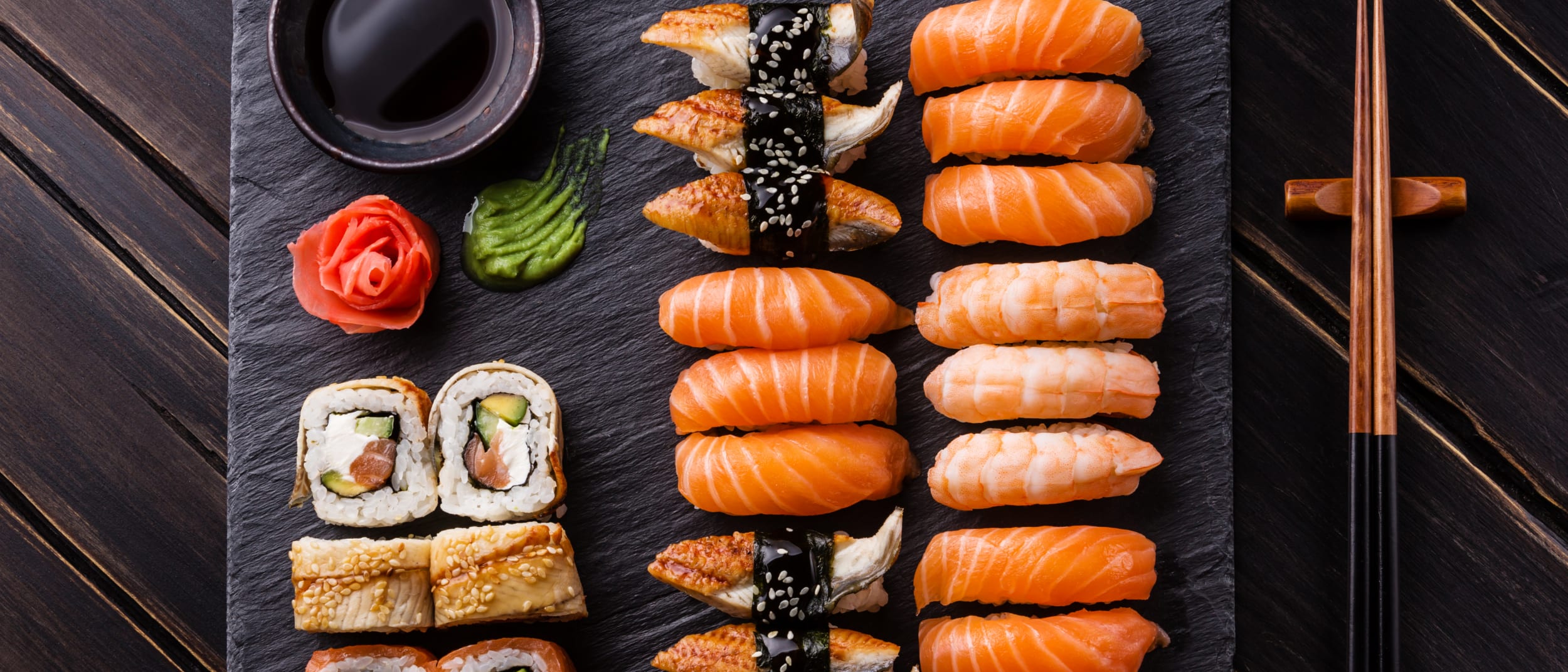
Wasabi along with gari (pickled ginger) as you all know is a classic accompaniment for sushi and sashimi but do you know why? One obvious factor is for the taste. Wasabi adds heat to the sushi creating a balance that gives us a great flavor. Gari on the other hand acts as a palate cleanser. But that is not the only reason. The major factor behind wasabi being used in sushi and sashimi is that it makes raw fish safe to eat and gari helps in the digestion process. Wasabi also has antimicrobial properties that have helped and are helping all sushi and sashimi lovers from bacterias in raw seafood.
In ancient times when fresh fish was used in sushi instead of fermented fish (to know more refer our upcoming post on sushi), wasabi acted as an agent that helped cut the odor from fish. The other reason was that it also prevented food poisoning. Raw meat can be really dangerous if not consumed in the right way. Wasabi and gari are just two agents that help ensure that the meat does not hurt your stomach.
Wasabi spice VS. Chilli spice
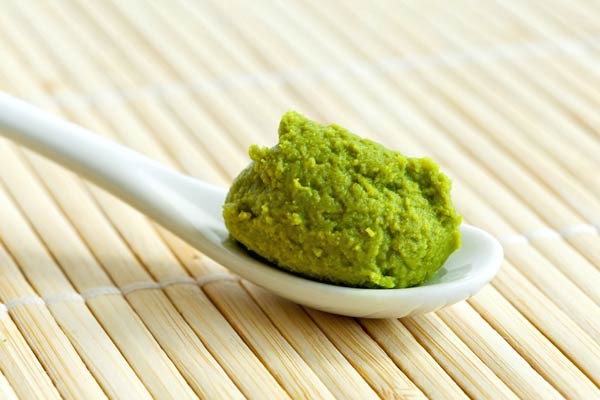

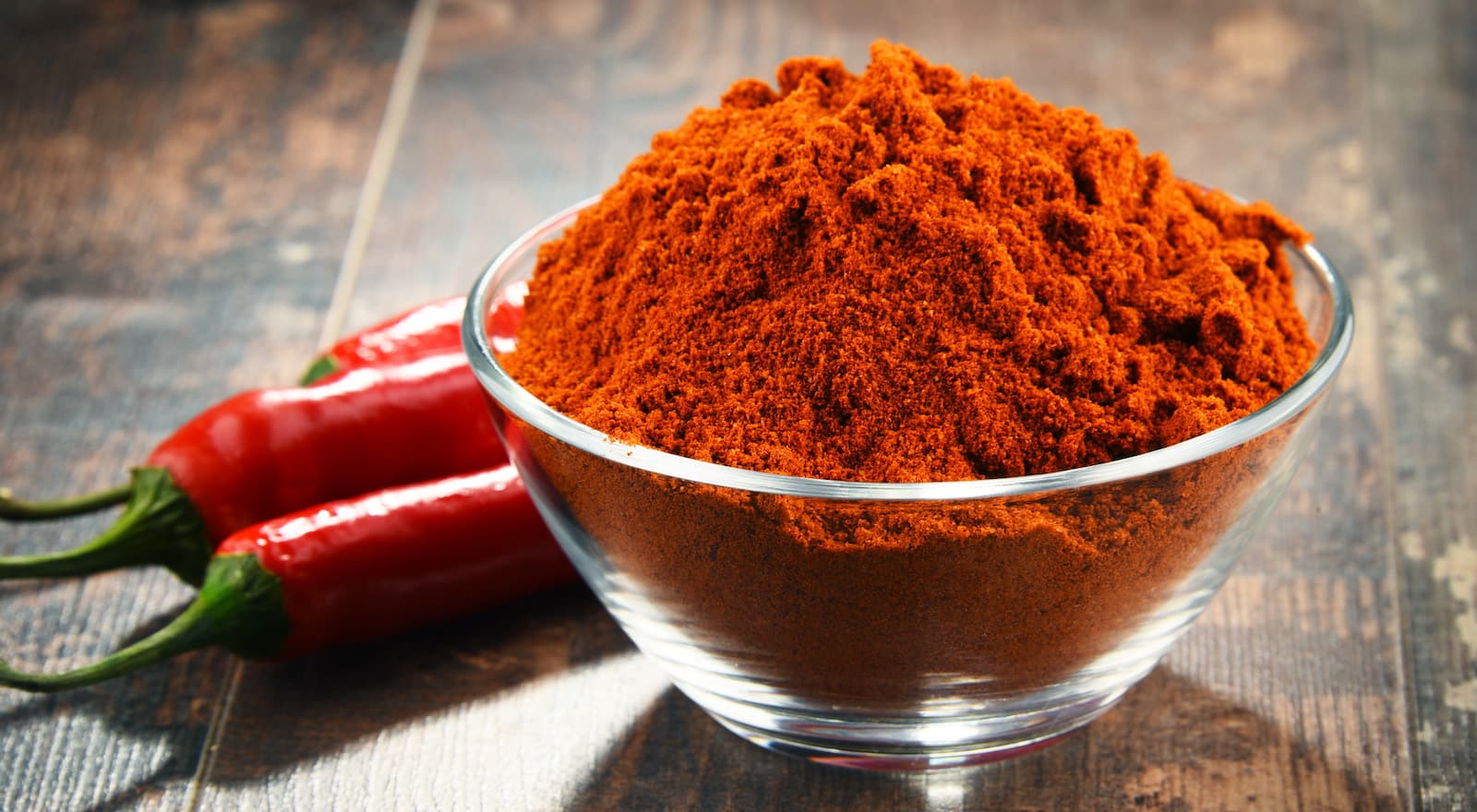
When people tell me wasabi is spicy I always end up arguing trying to make them understand that wasabi is pungent and not spicy (pungent and spicy are a bit different, read on to find out why). Both chili and wasabi have an entirely different compound that gives them their acquired flavor.
Chili gets it to spice from a compound called capsaicin. This compound is what we experience in our mouth and throat while eating it. They have a flavor that hits your tongue first, giving it a burning or tingling sensation.
Wasabi on the other hand gets its acquired pungency from a compound called allyl isothiocyanate. This compound is volatile meaning it evaporates very quickly when exposed to air. Hence freshly grated wasabi has to be consumed immediately. The pungency of it first hits your nose rather than the mouth.
Horseradish and mustard have an allyl isothiocyanate compound in them as well. Hence making them pungent (and not spicy) and good alternatives for wasabi.
Wasabi in Japan
You all know that wasabi is a standard accompaniment to sushi and now you also know why. But where else is wasabi used in Japan? I just had to write about this as a few of these wasabi dishes or snacks to be particular are some of my favorite. They used to be my everyday snacks at school and at home with my host sisters and friends. Please try them if you visit Japan or if you can get your hands on them, they are simply amazing.
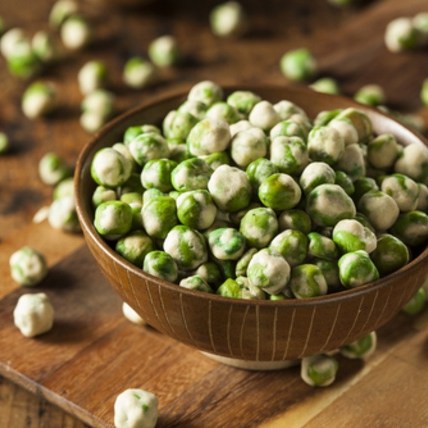
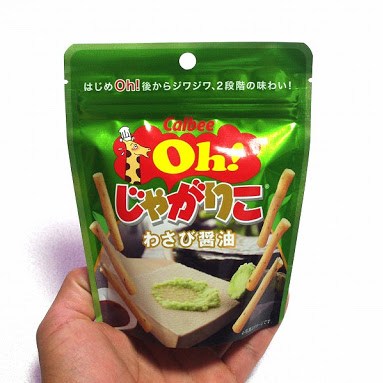
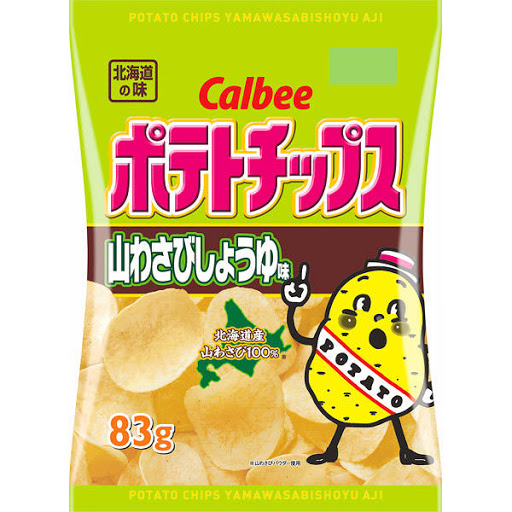
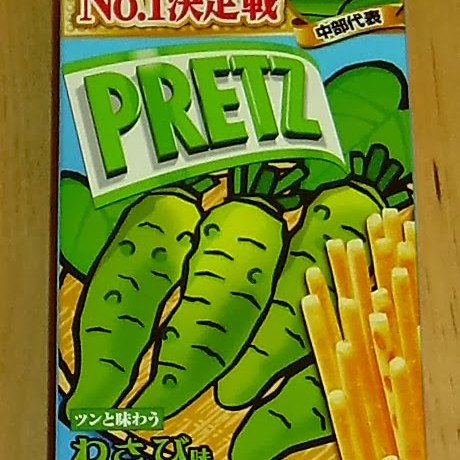
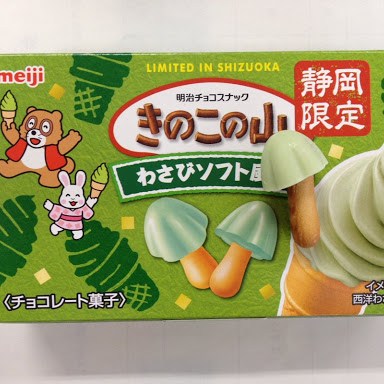
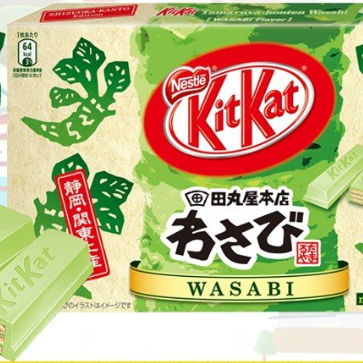
WASABI MAME (Crunchy green peas covered in hot wasabi)
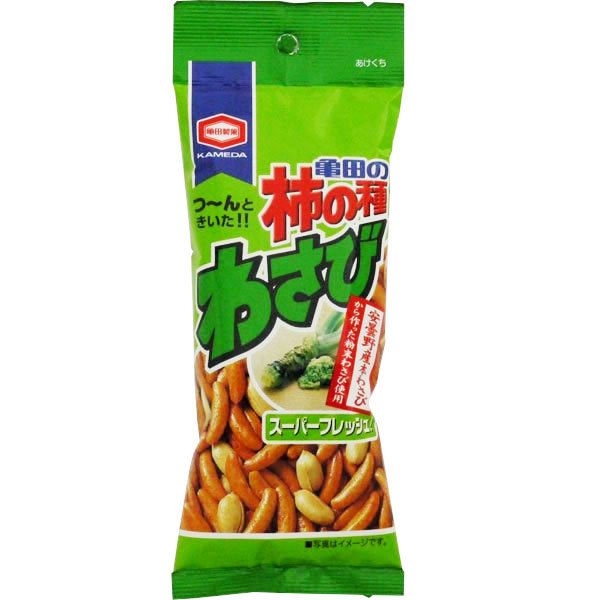
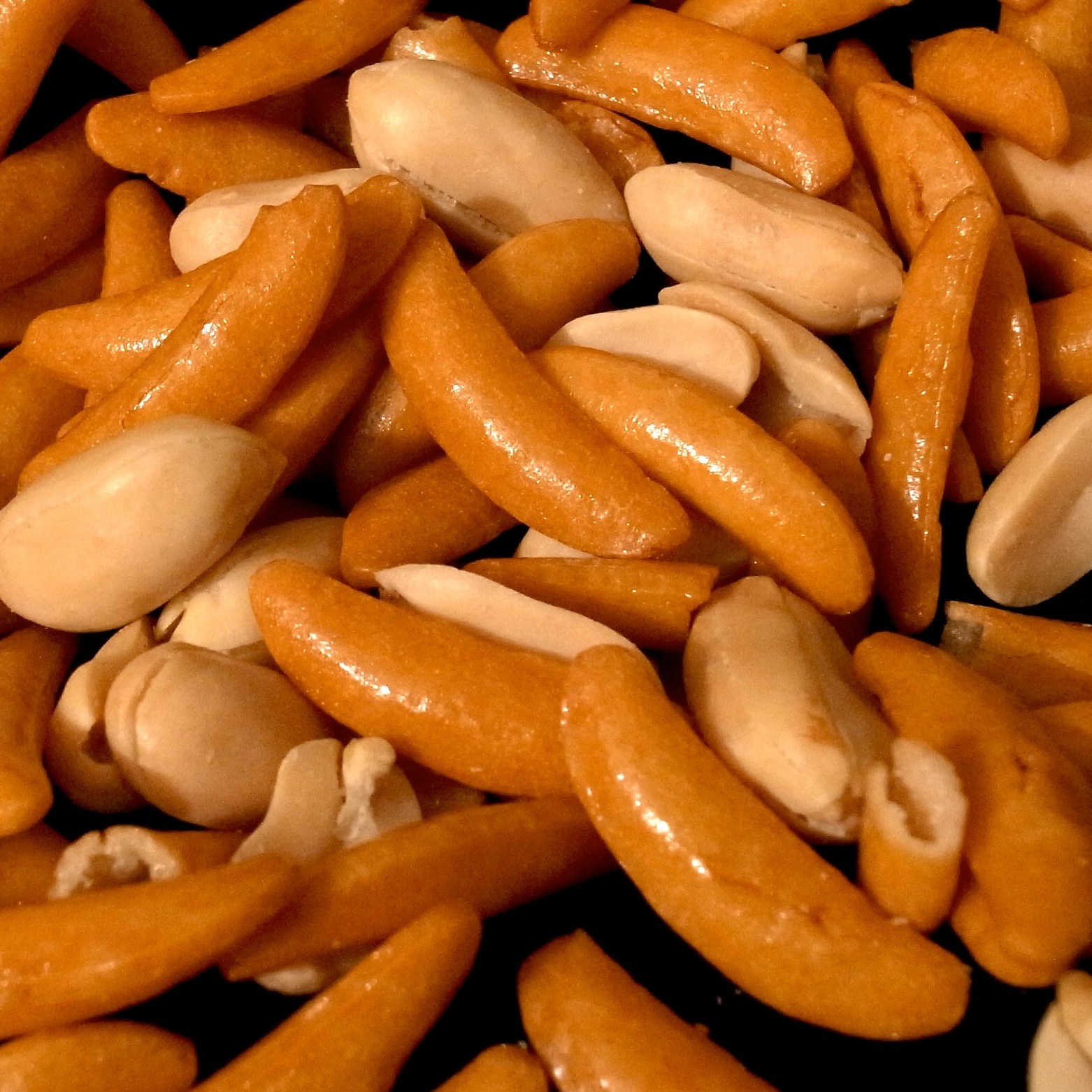
KAKI NO TANE 柿の種 (A mix of peanut and tiny rice crackers found in every Japanese house, usually comes in soy sauce flavor but wasabi is not so bad either)
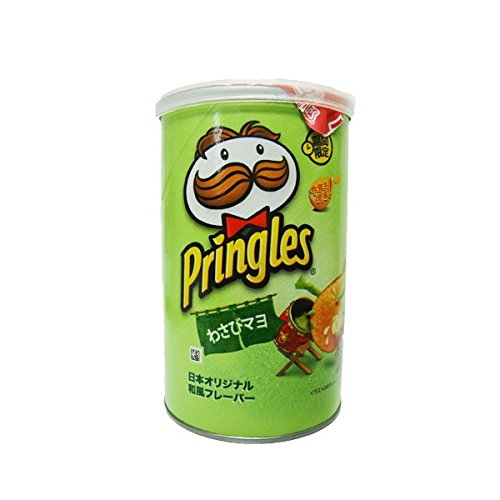
WASABI MAYO PRINGLES (A must try flavor for all Pringles lovers)
JAGARICO じゃがりこ (A crispy potato snack)
POTATO CHIPS ポテトチップス (Wasabi flavored potato chips, nothing fancy)
PRETZ (Very similar to pretzel)
KINOKO NO YAMA きのこの山 (My all time favorite. This is a mushroom shaped snack with a chocolate top (comes in other flavours also but choclate is the best) and a biscuit stem)
KIT KAT (As crazy as it may sound give it a go)
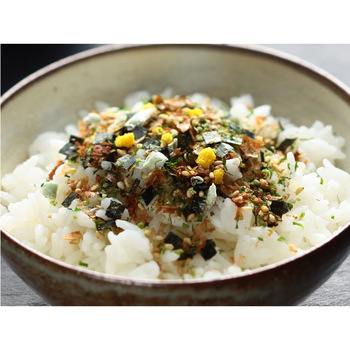
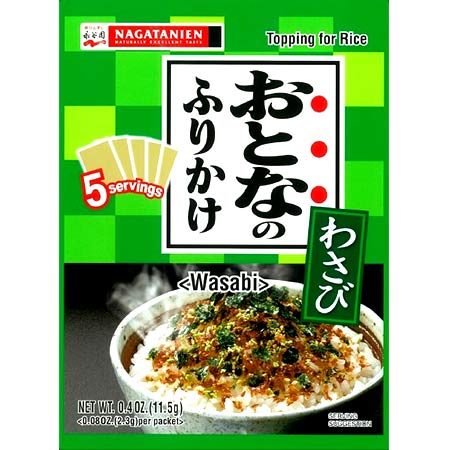
WASABI FURIKAKE (see my post on Yukari for more about furikake)
Wasabi etiquette
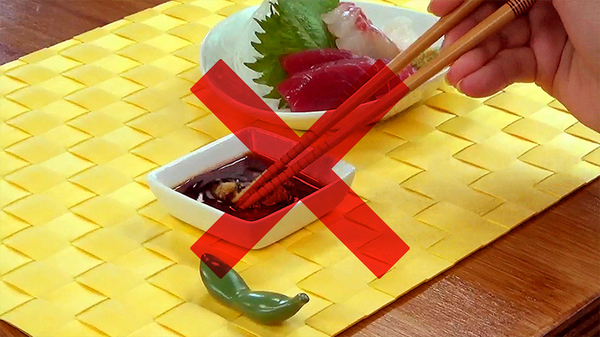
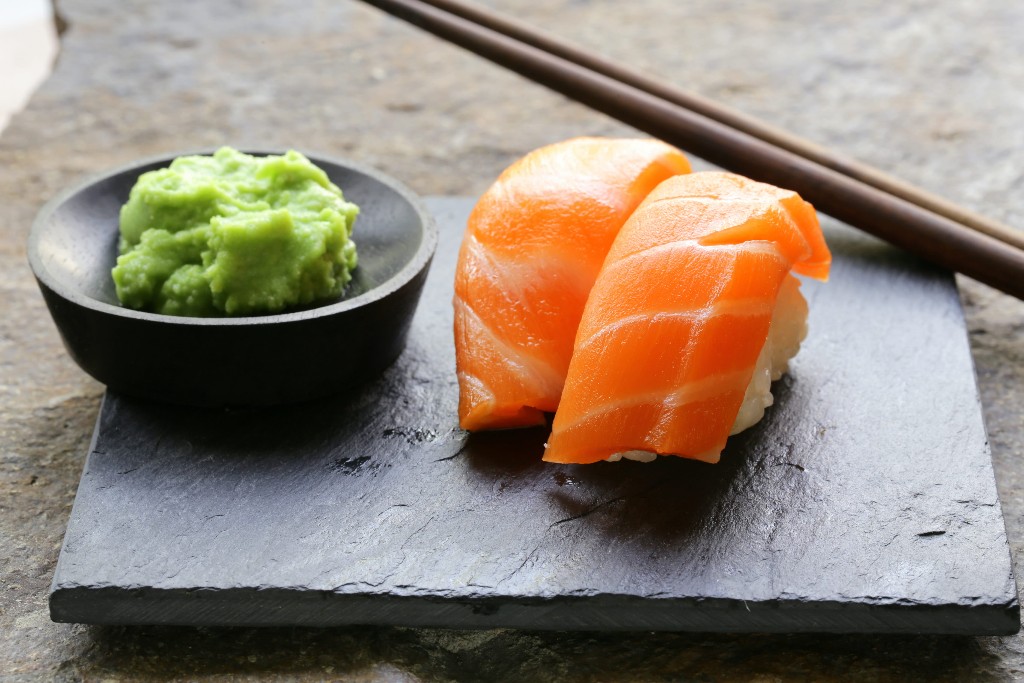
Something not a lot of us are aware of but yes it does exist. The first one is to never mix your wasabi with the soy sauce. Although a lot of people do this and even a few Japanese people may do the same. The right way is to not mix your wasabi with your soy. One reason is that it destroys the flavor of the soy. If your eating at a proper sushi specialty restaurant, the chef there has trained for years and every ingredient they use is handpicked. Hence it would be disrespectful to not respect their experience and the authenticity of eating sushi.
This same rule applies to wasabi. When you are at a specialty restaurant you will mostly get freshly grated wasabi and not the powdered wasabi. Mixing it with soy is like destroying the freshness of the wasabi and insulting the chef.
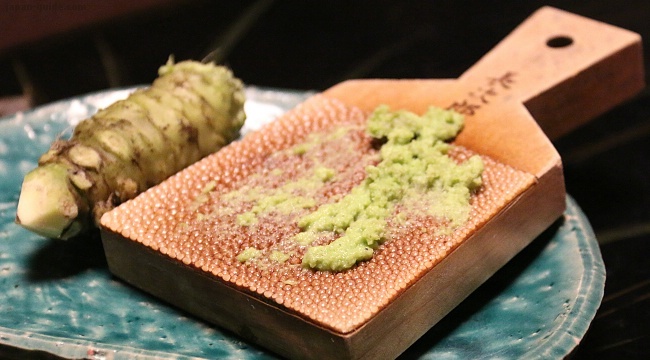
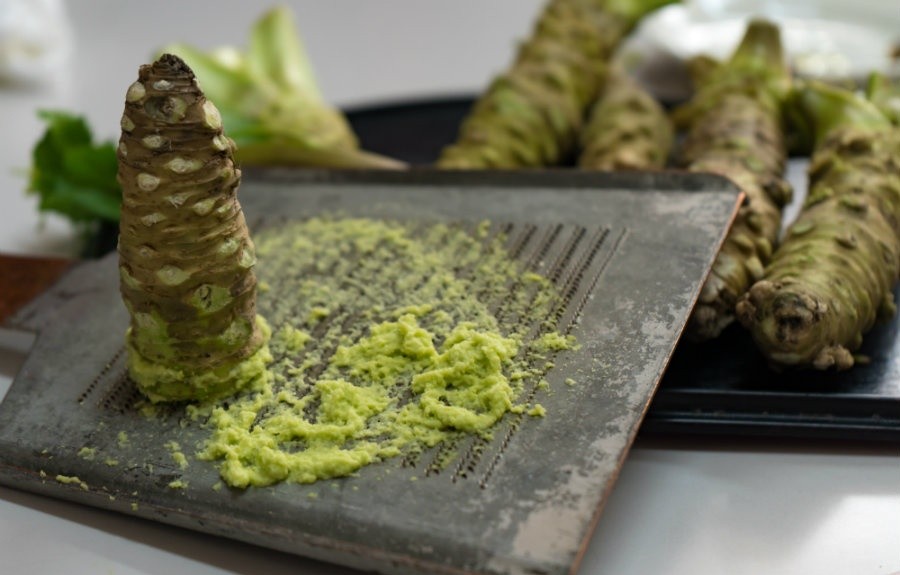
Wasabi is traditionally grated using Oroshigane おろし金 (Grating metal). These are graters that are similar to sandpaper which yields in a finer paste. Traditionally they were made with shark skin, although nowadays you get metal and ceramic ones.
Sushi is a piece of art from the Japanese cuisine, mixing the two accompaniments is not justice to that art and for the chef who has spent years perfecting this art.
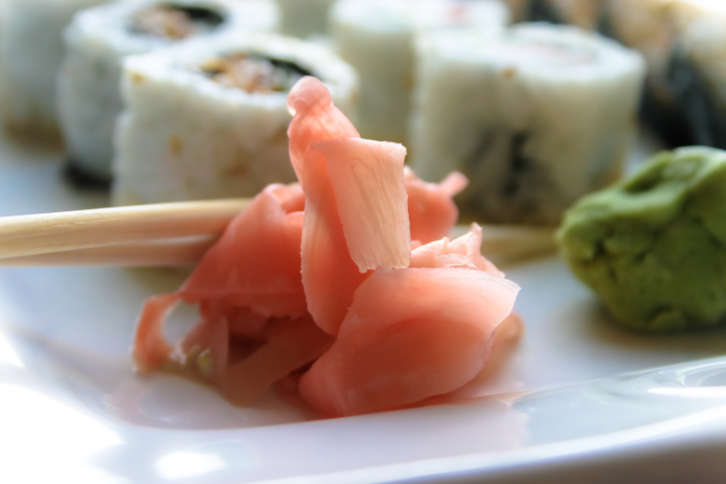
Although this was about wasabi etiquette on the thing that I have to mention is that never put gari on any sushi and have it. One it ruins the balance the chef has created and gari is a palate cleanser which is meant to be had after having the sushi to clear your palate for the next one. Sushi has really delicate flavors adding a strong element like gari will take that experience away from you.
How was your first experience with wasabi? Do share your story in the comment box below, would love to hear about it.
Thank you for reading this blog and share your thoughts and comments below. If you have any topic suggestions for upcoming blogs do let us know.
 A Long たまご....
Well researched!
LikeLiked by 1 person
Thank you for reading the blog and for the support!
LikeLike
Very well researched and well written. My first experience of eating Wasabi was in a Japanese restaurant in Singapore along with my Singaporean colleagues. Being a Pollo-vegetarian…who doesn’t eat sea food…it was a great experience when my colleagues made me taste wasabi for the first (and last) time 😊. I guess it is a true acquired taste.
LikeLiked by 1 person
Thank you for reading the blog. Nice to hear about your Wasabi experience, thank you for sharing it with us.😊
LikeLike